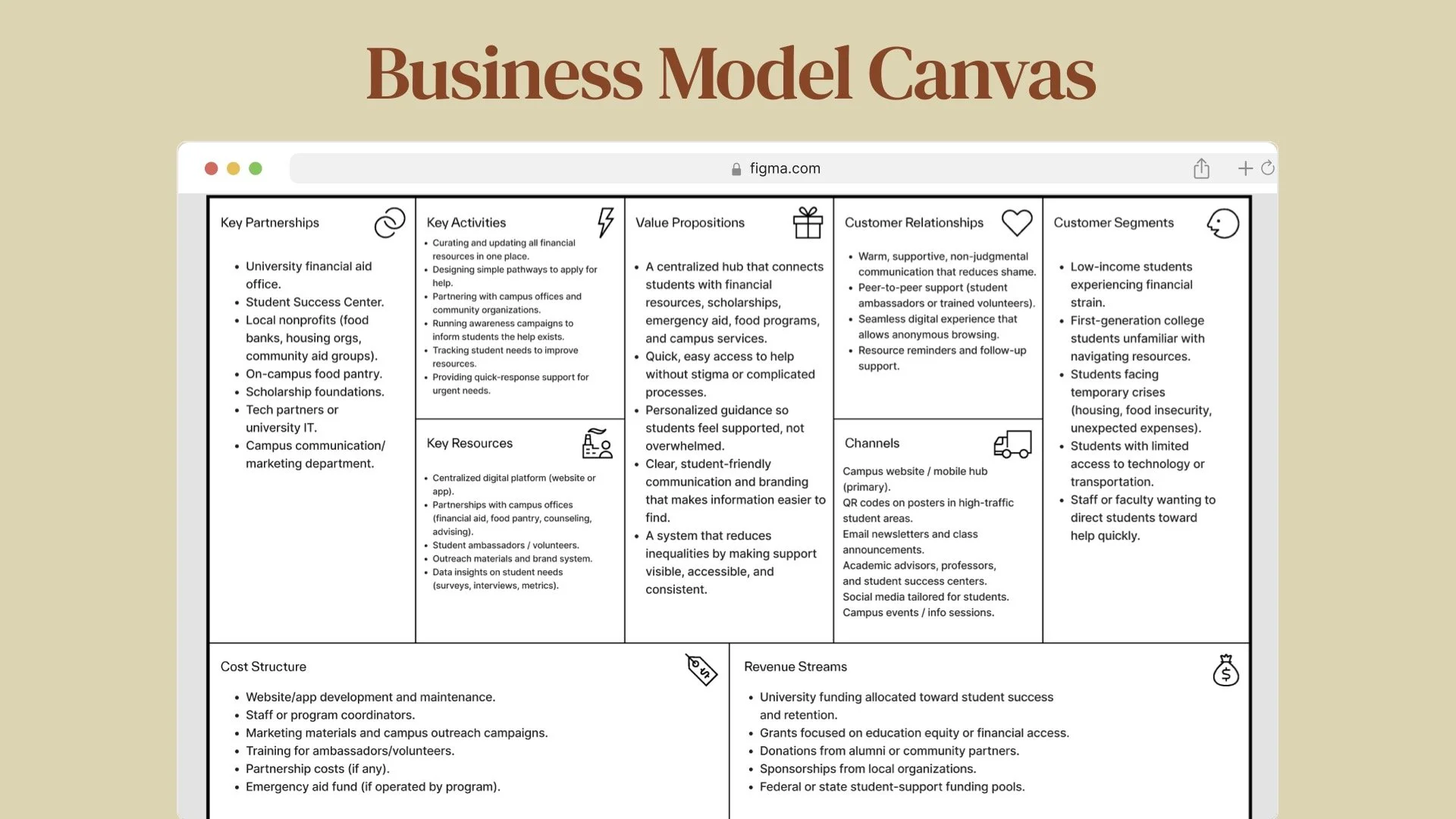
Bridge the Gap is a project focused on improving equity in education by examining how income, disability, and community factors affect student access to resources. Using a business model canvas, we designed a centralized support platform that connects students to financial aid, basic needs assistance, and academic services to help reduce barriers and promote student success.
Project Overview
Makenna Masterson - Presentation Lead*
Kalani White - Research Lead
Julia Merino - Research Lead
Alexandra Bustos - Branding Lead
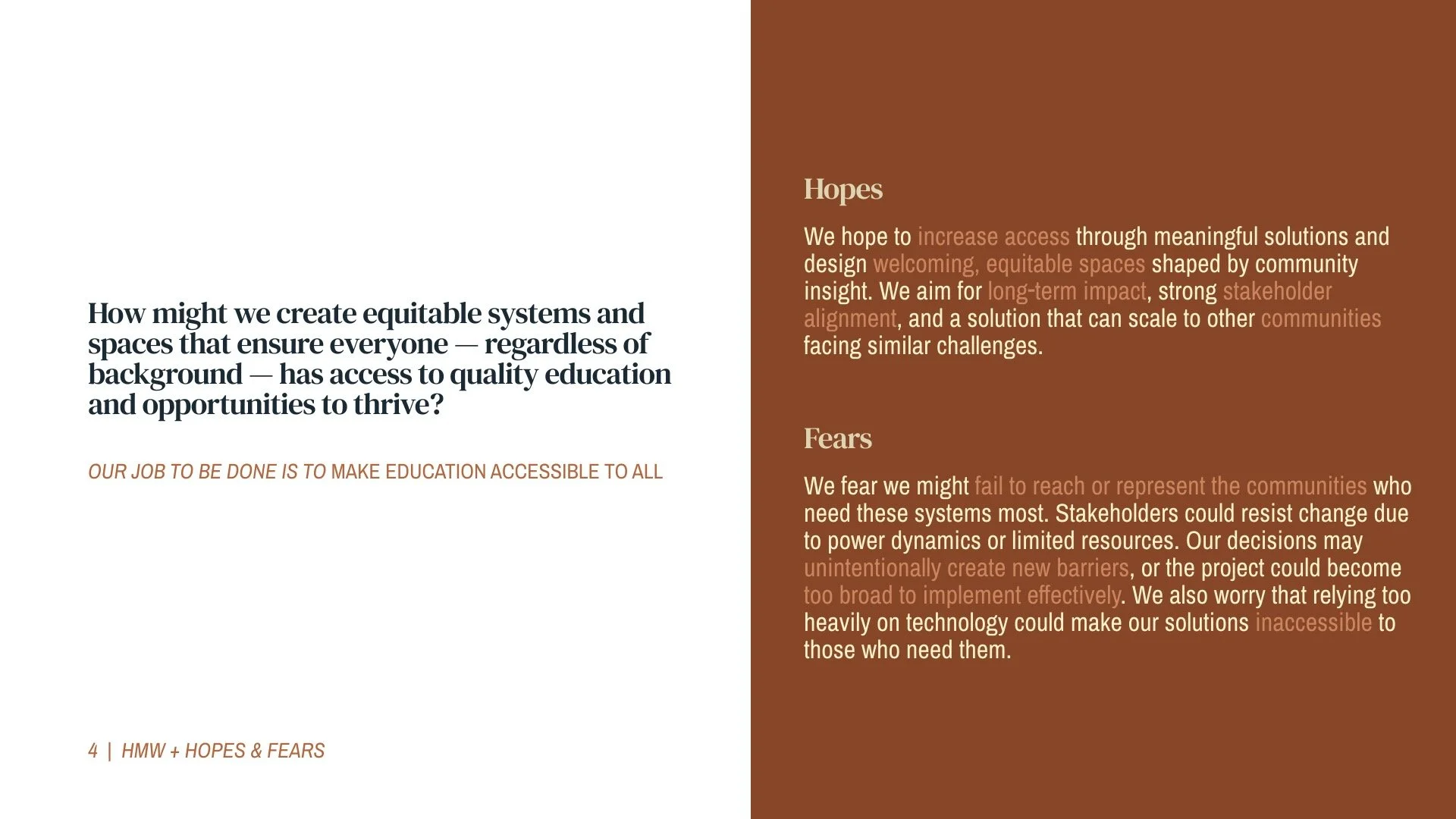
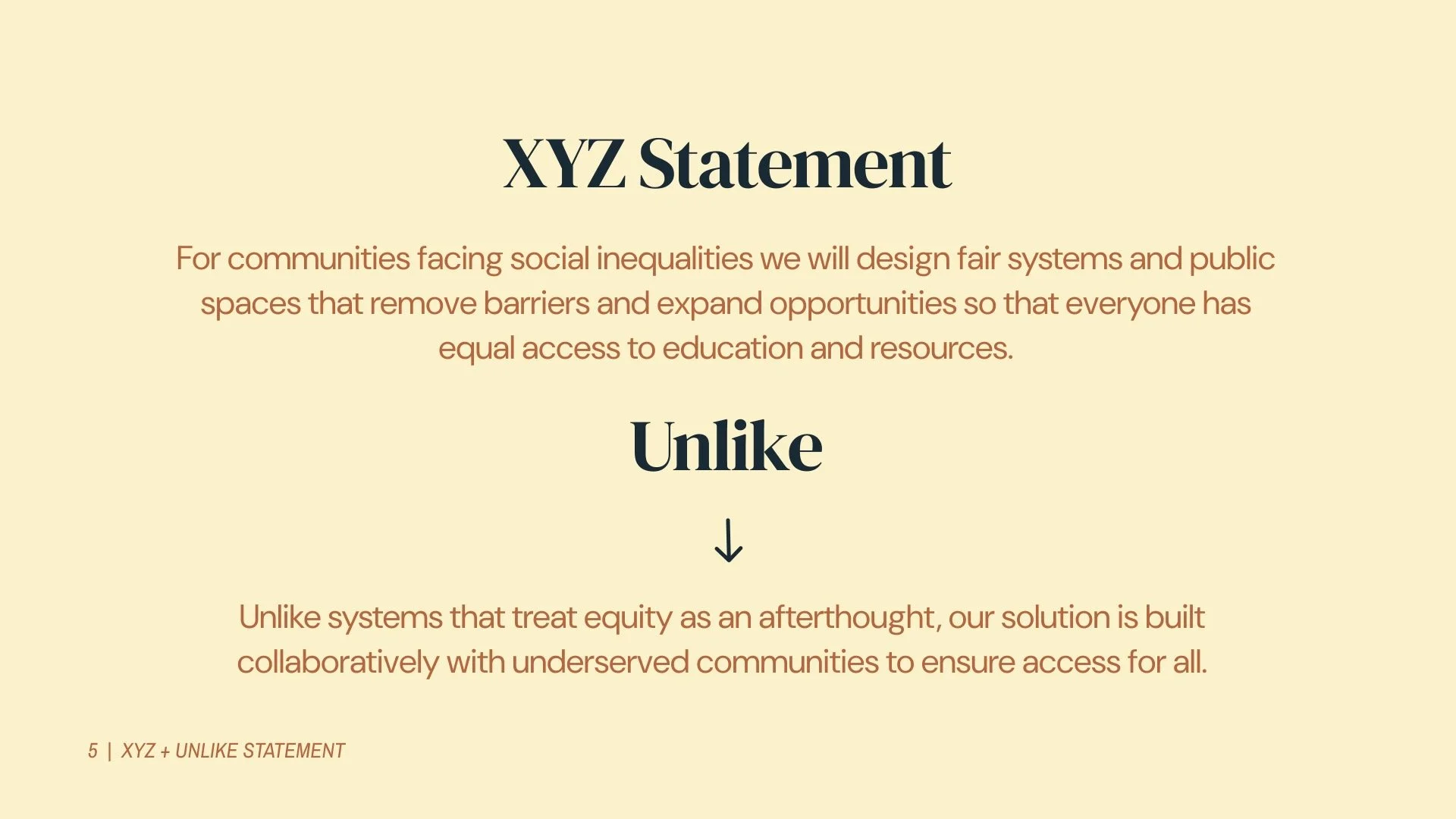
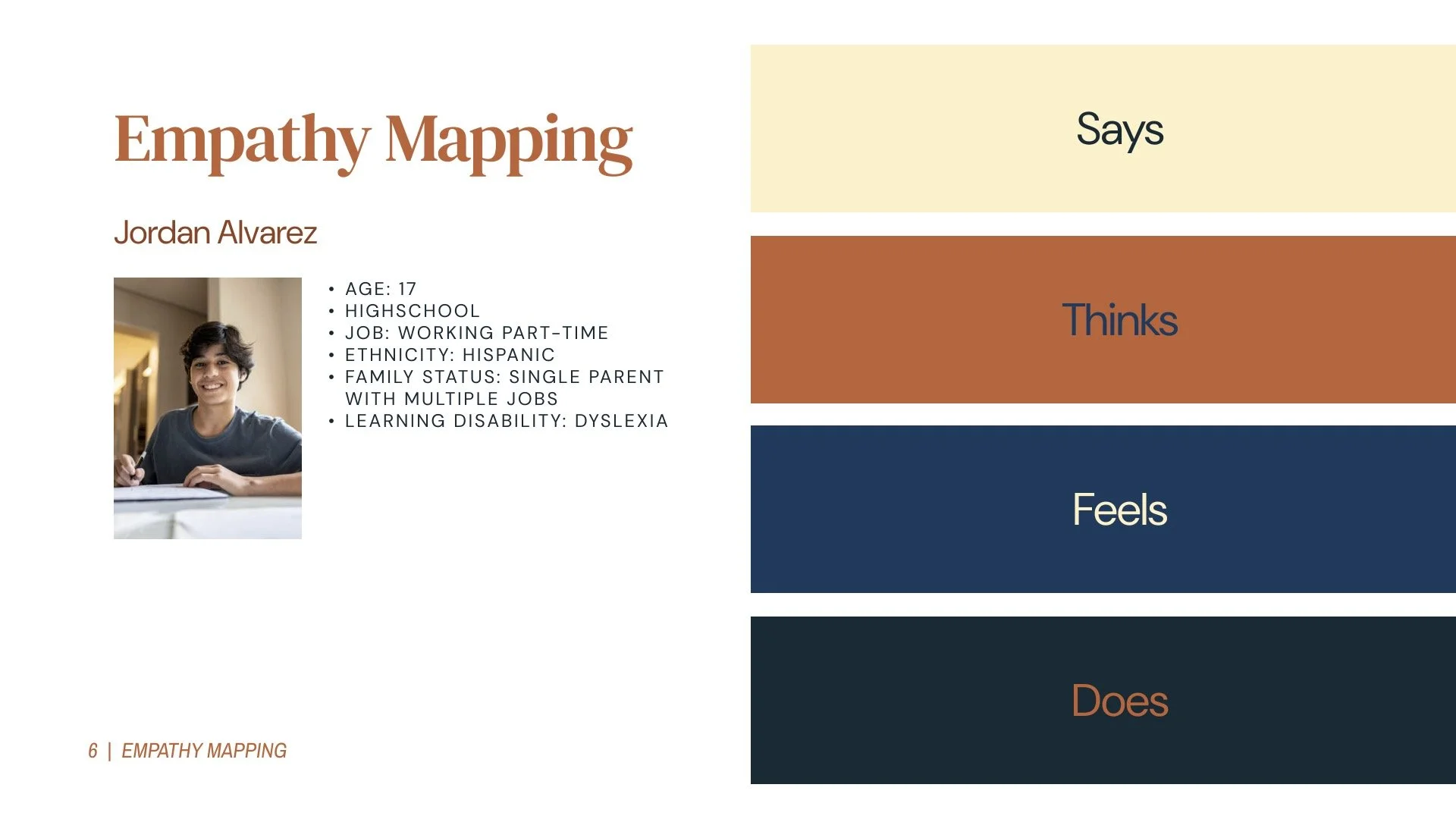
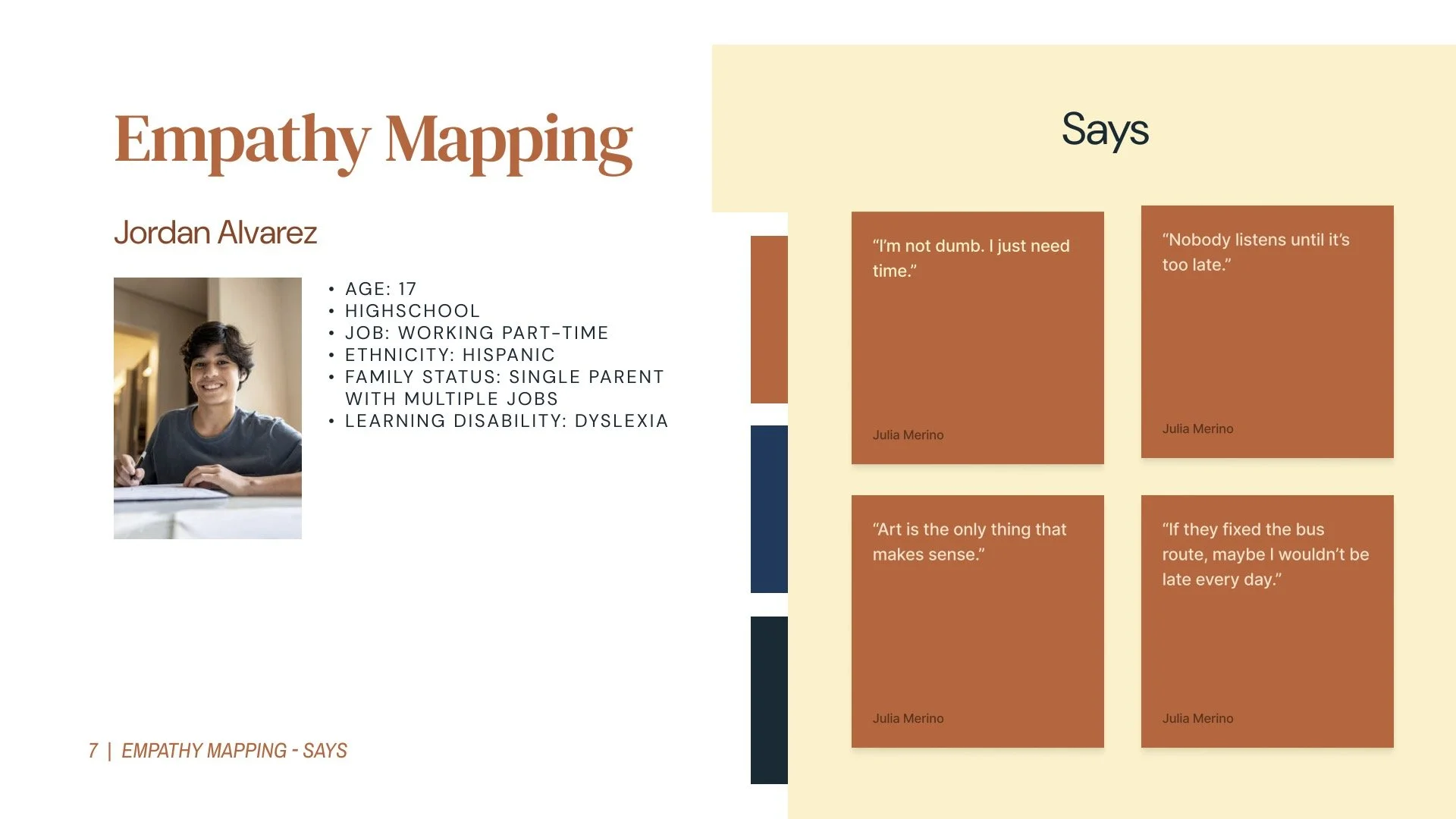
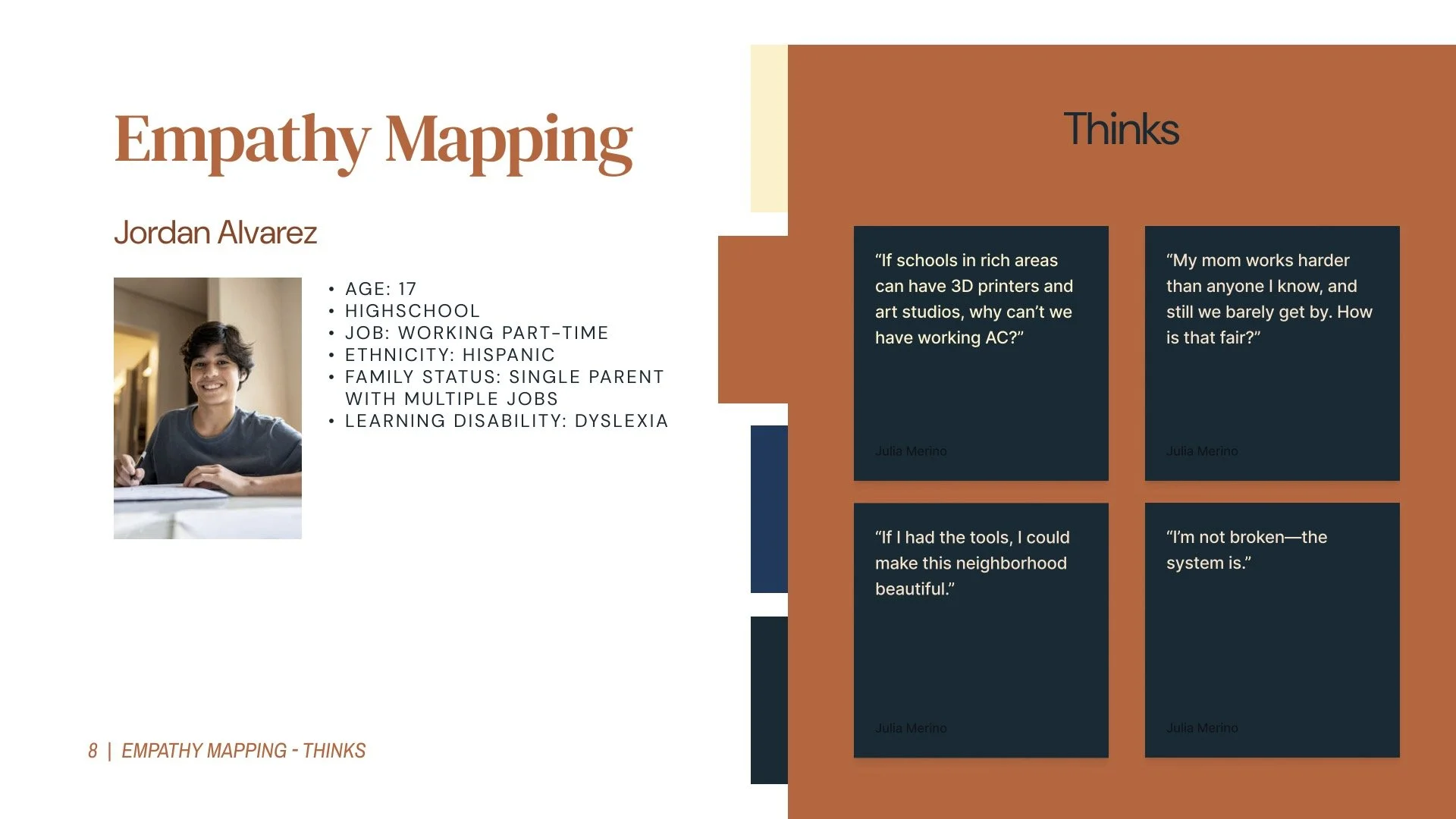
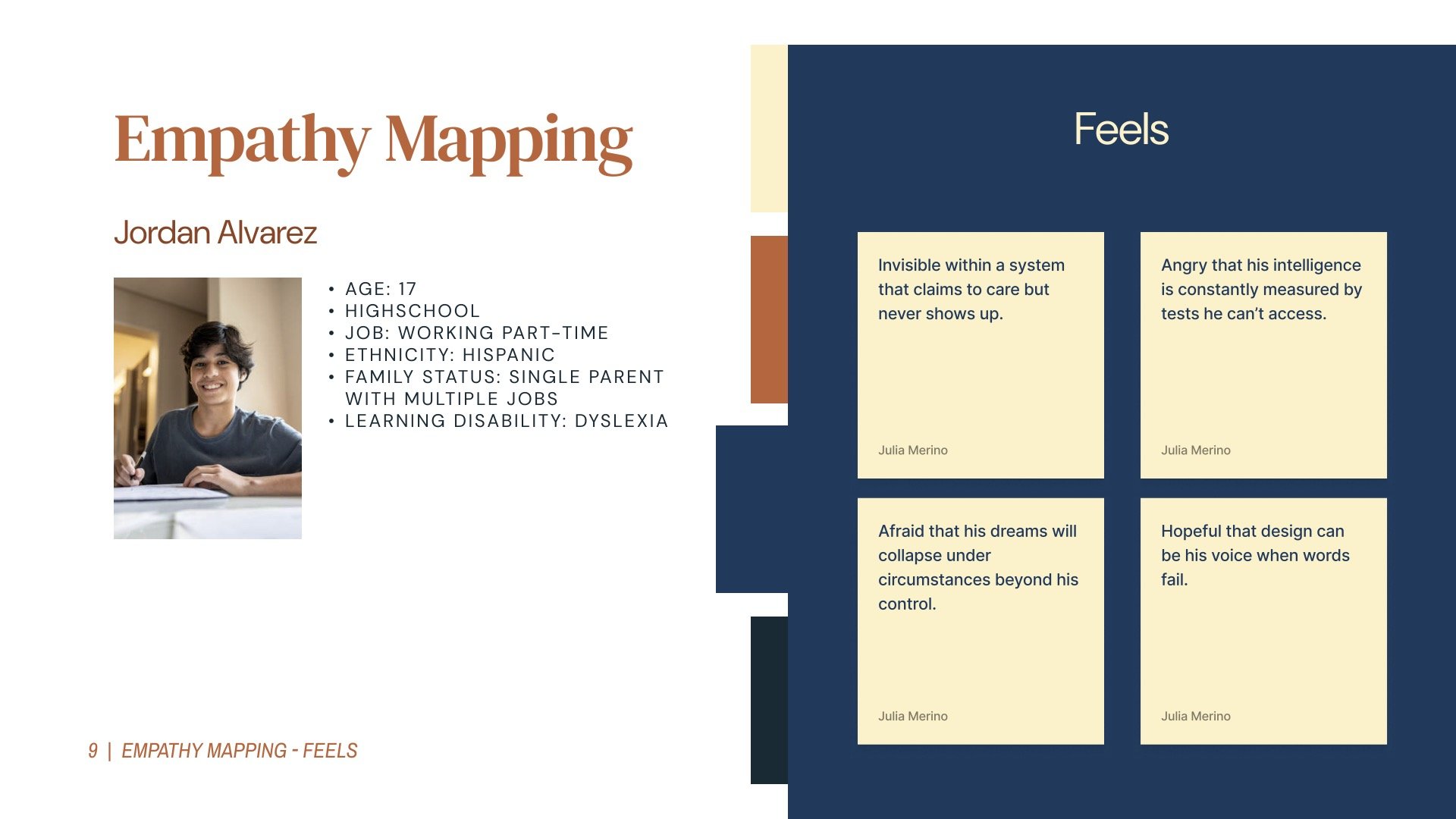
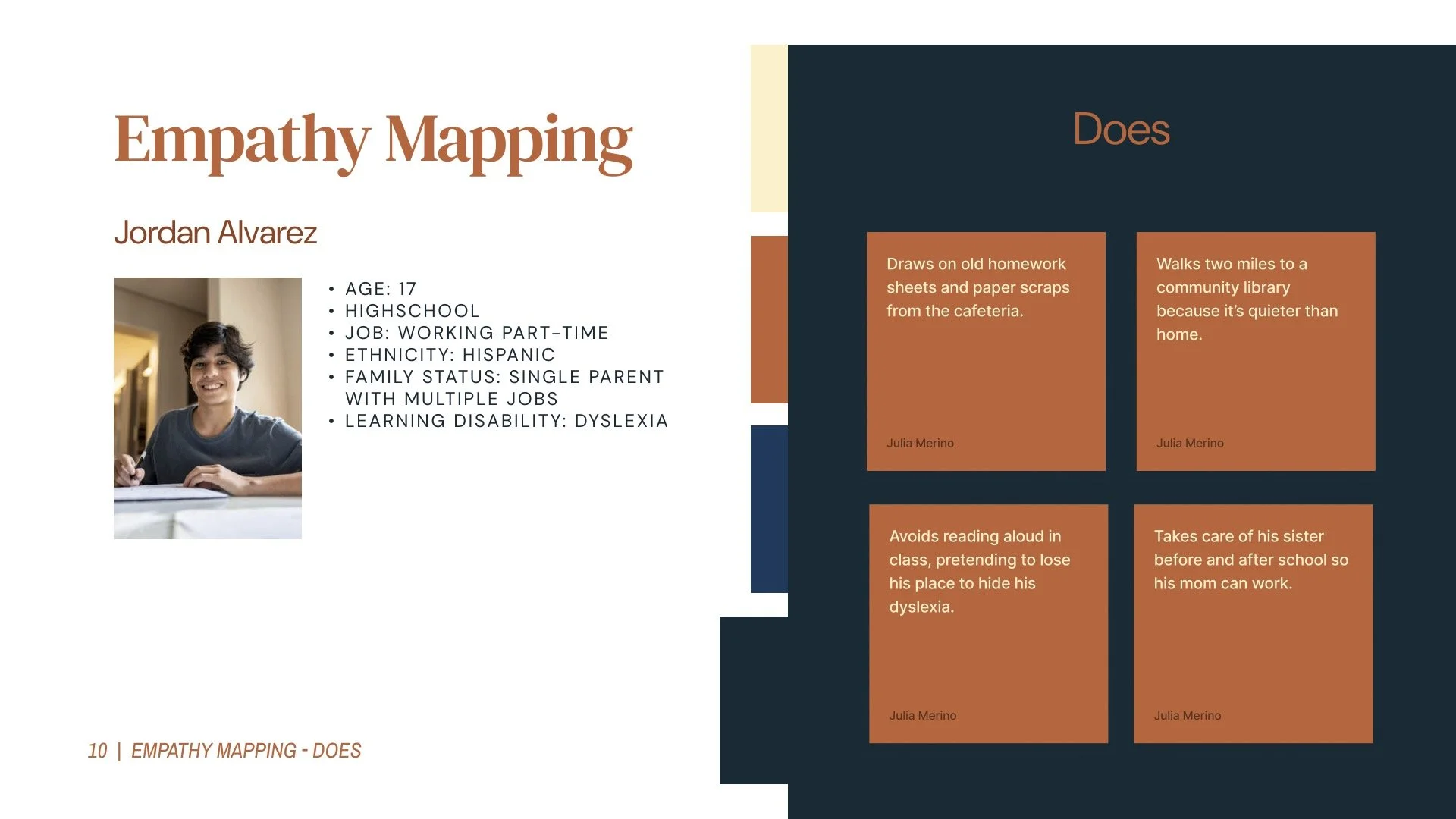
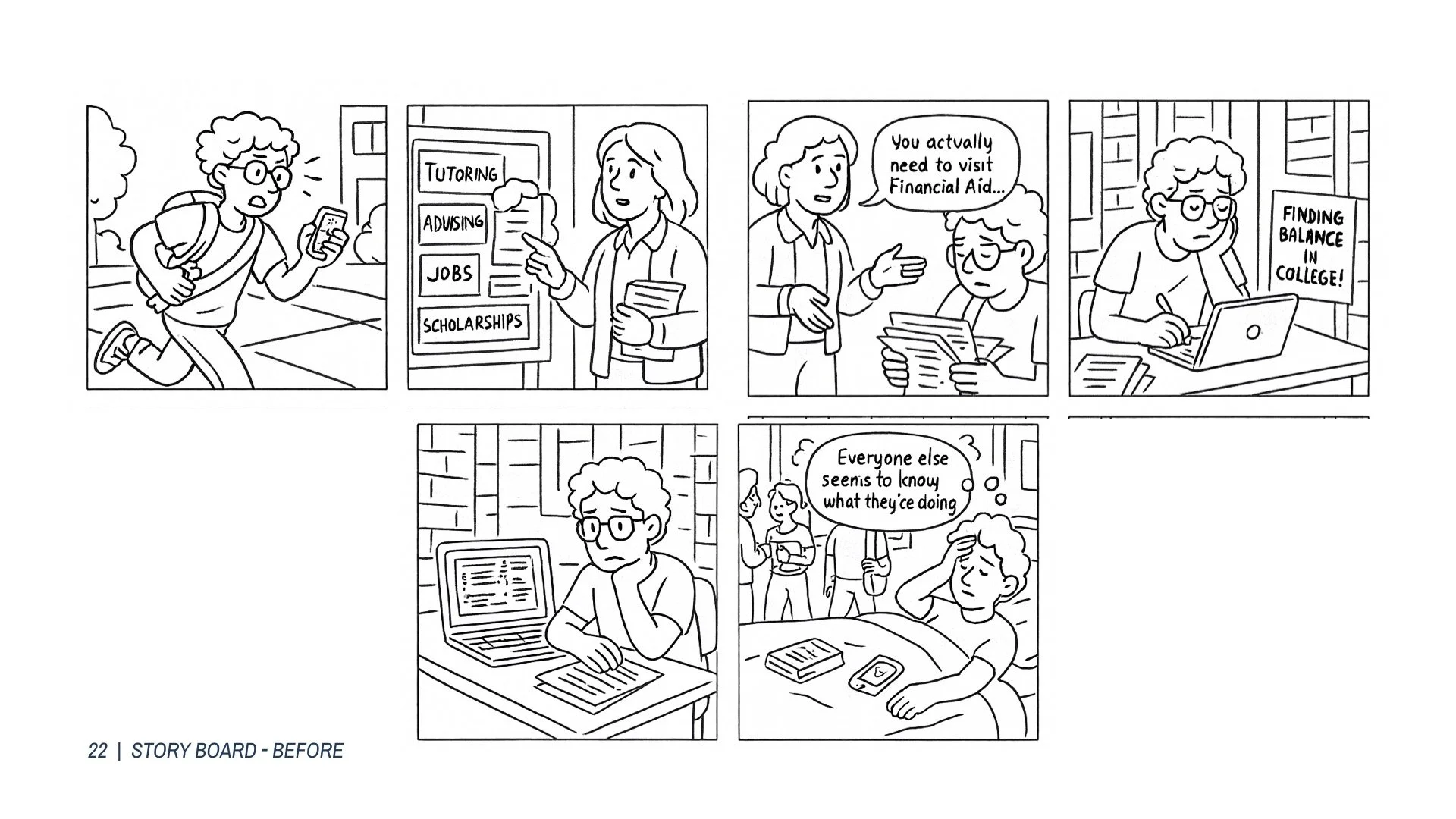
We began by exploring the problem space and the students most affected by educational inequities. Our team defined the core design challenges and identified key opportunities within the Bobcat community. Using journey mapping, we analyzed student experiences, pain points, and areas where support was lacking. We also conducted Hopes & Fears and Empathy Mapping exercises to understand emotional and practical needs from multiple perspectives.
This phase grounded our project in real student insights and helped us gain insight on the direction we wanted to take our solution.
Phase 1- Discovery
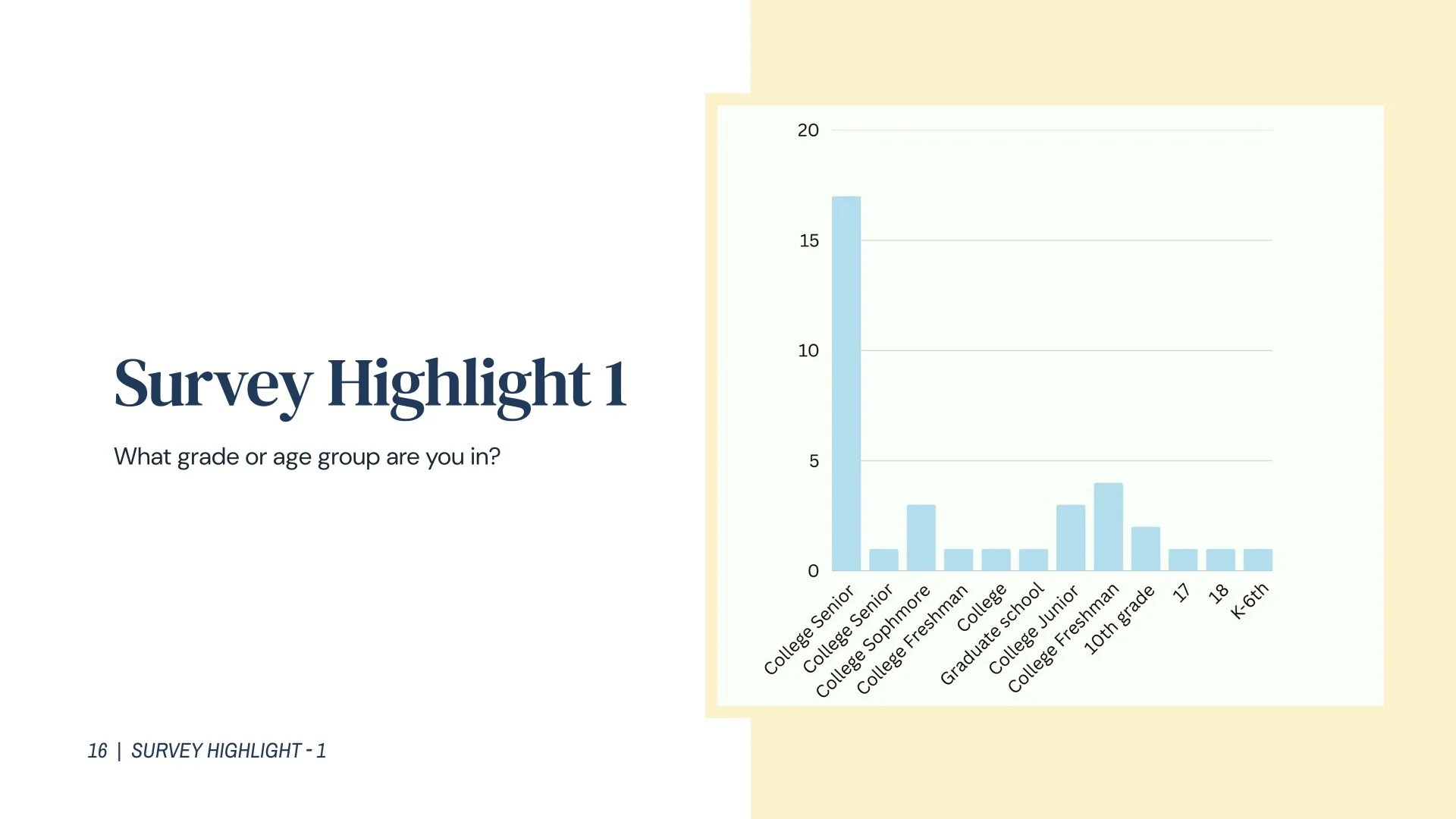
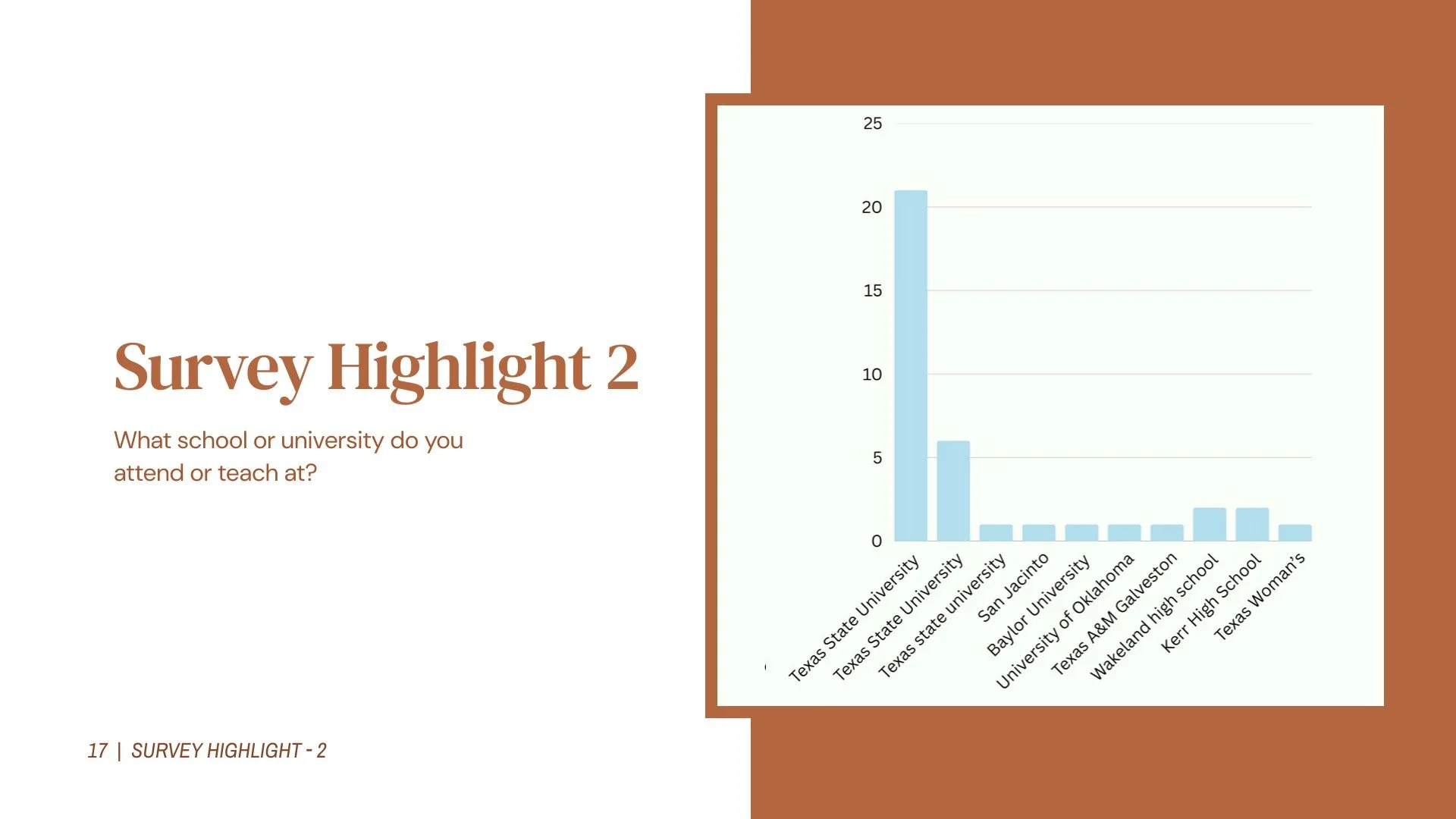
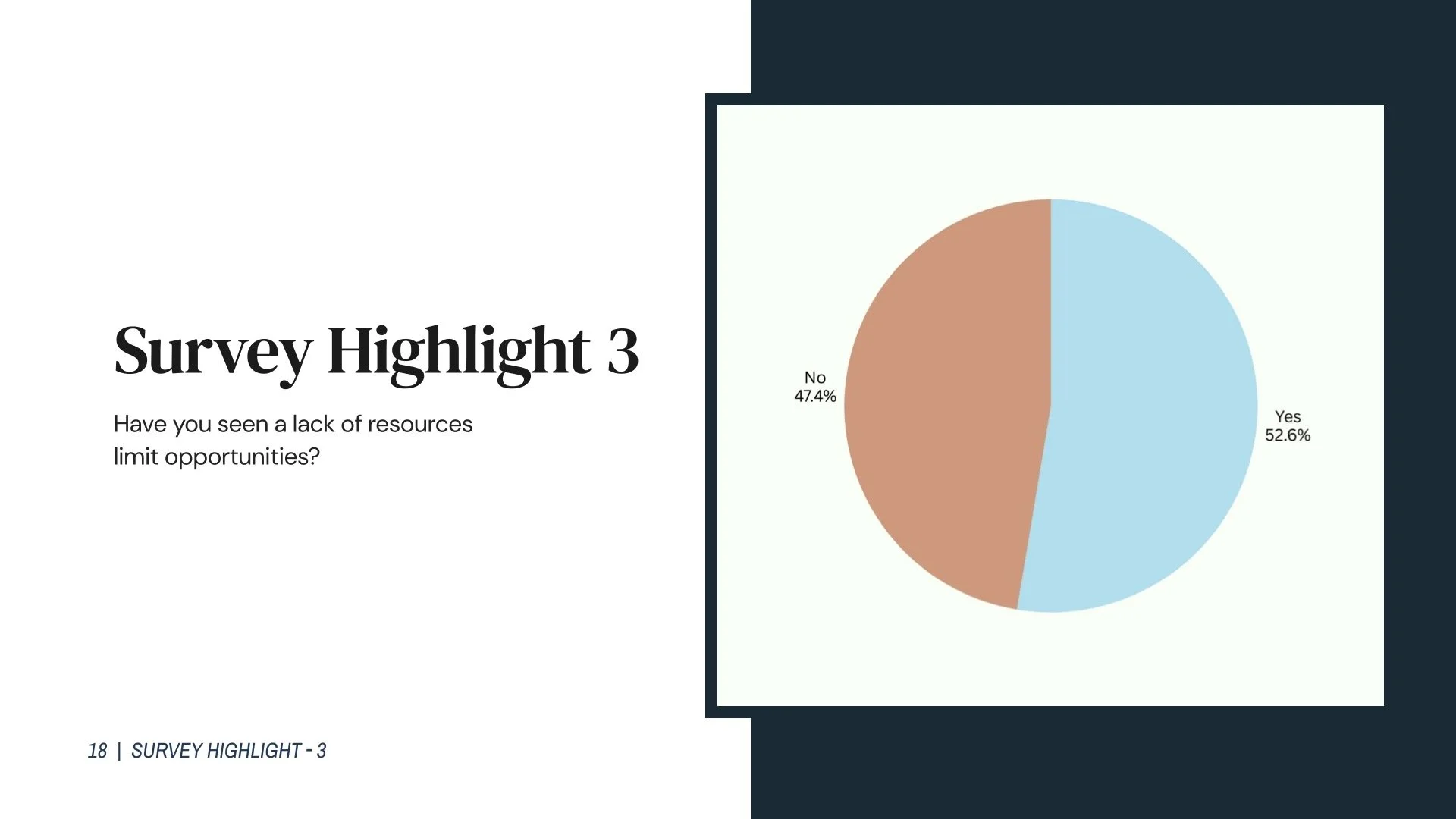
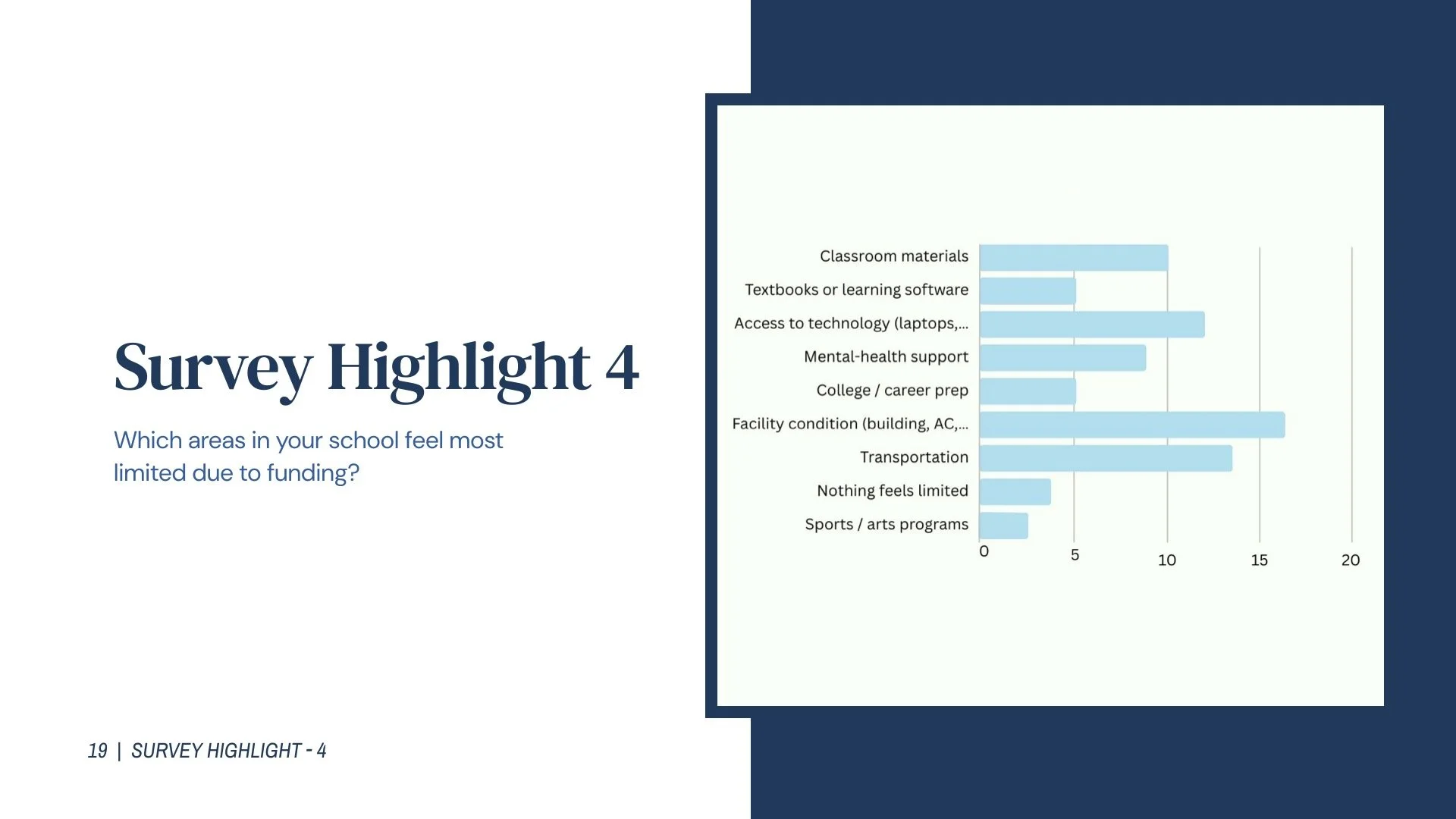
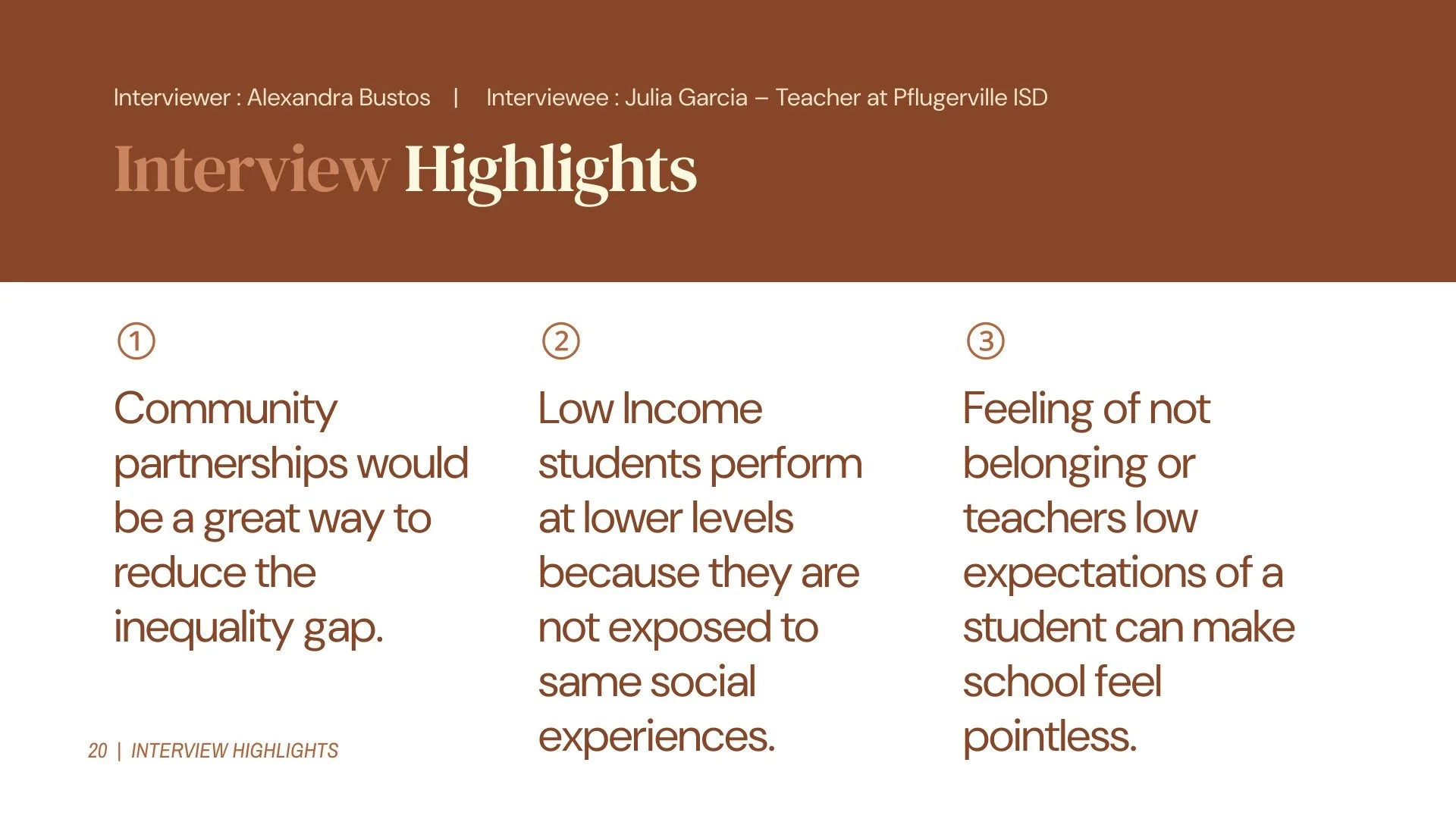
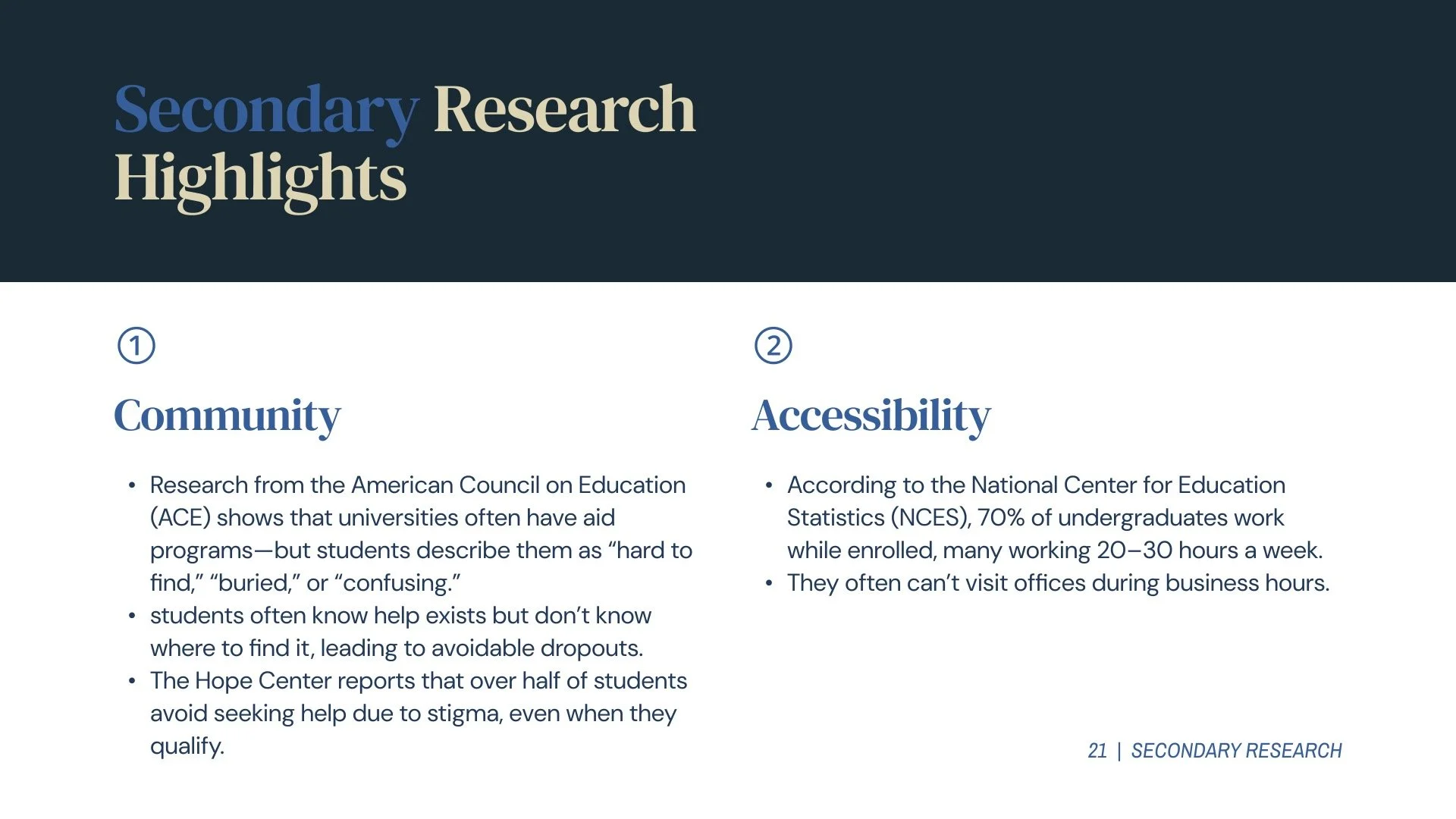
Building on our initial discovery work, we gathered deeper insights through surveys and additional student feedback. This allowed us to validate our early assumptions and uncover new patterns in how students experience educational barriers. We analyzed responses to identify common challenges, resource gaps, and unmet needs across different groups.
By synthesizing this data, we translated raw findings into clear, actionable insights that guided the direction of our solution and ensured it reflected real student experiences.
Phase 2- Ideation
Phase 3- Solution
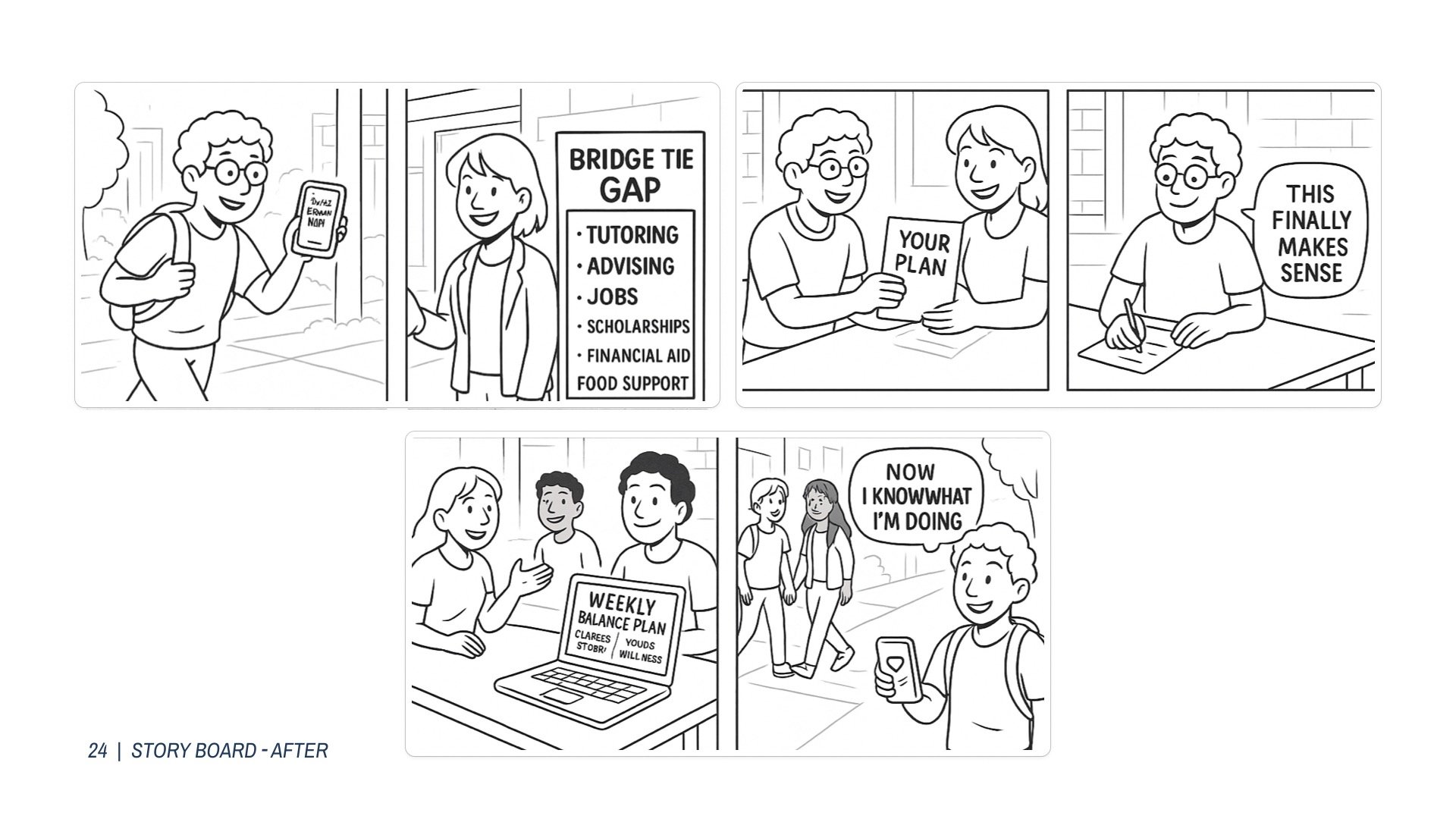
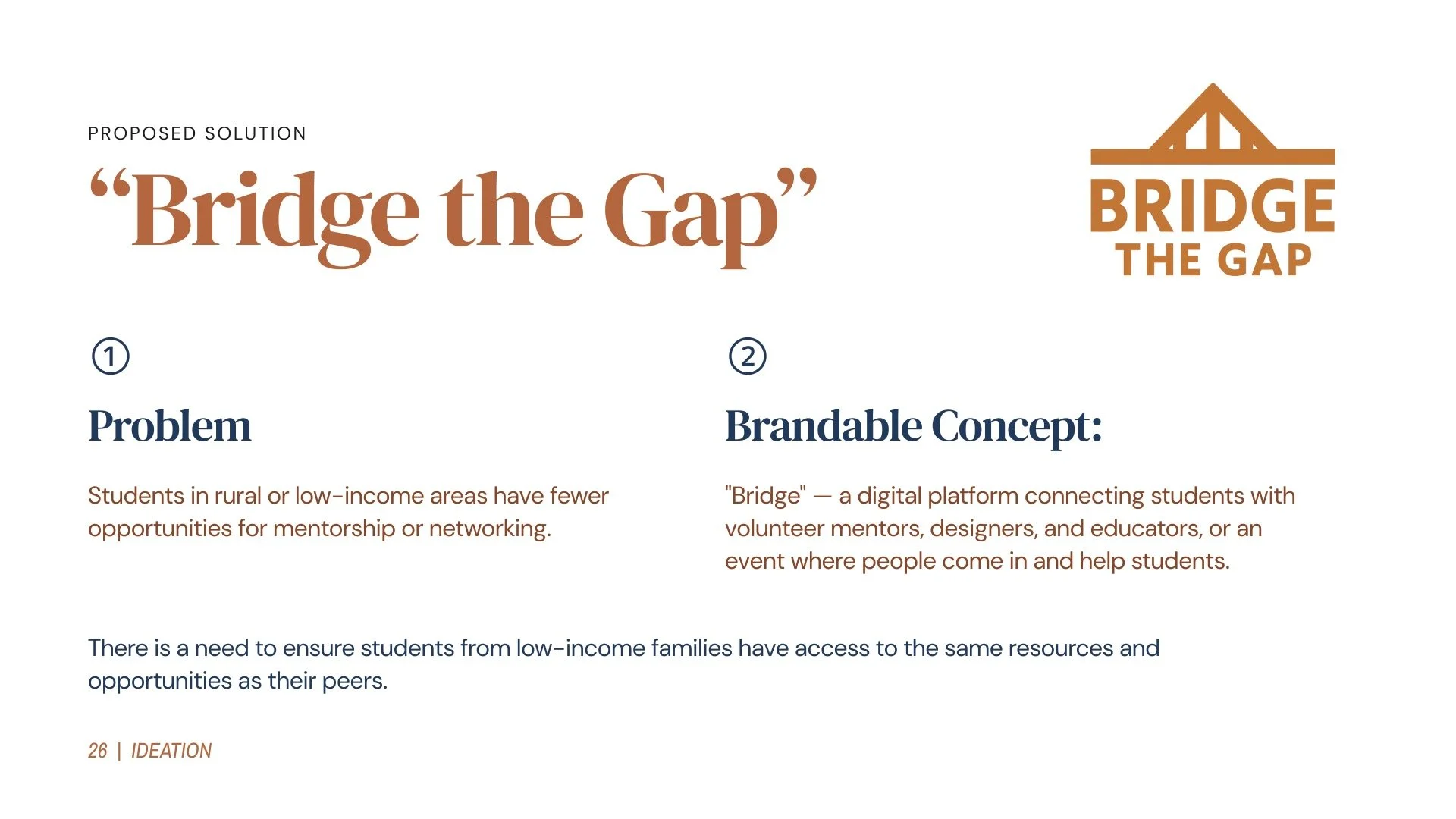
Using our insights as a foundation, we developed a clear solution aimed at reducing educational barriers through a centralized student support platform. This phase focused on defining how the system would function, the services it would connect, and the value it would bring to students.
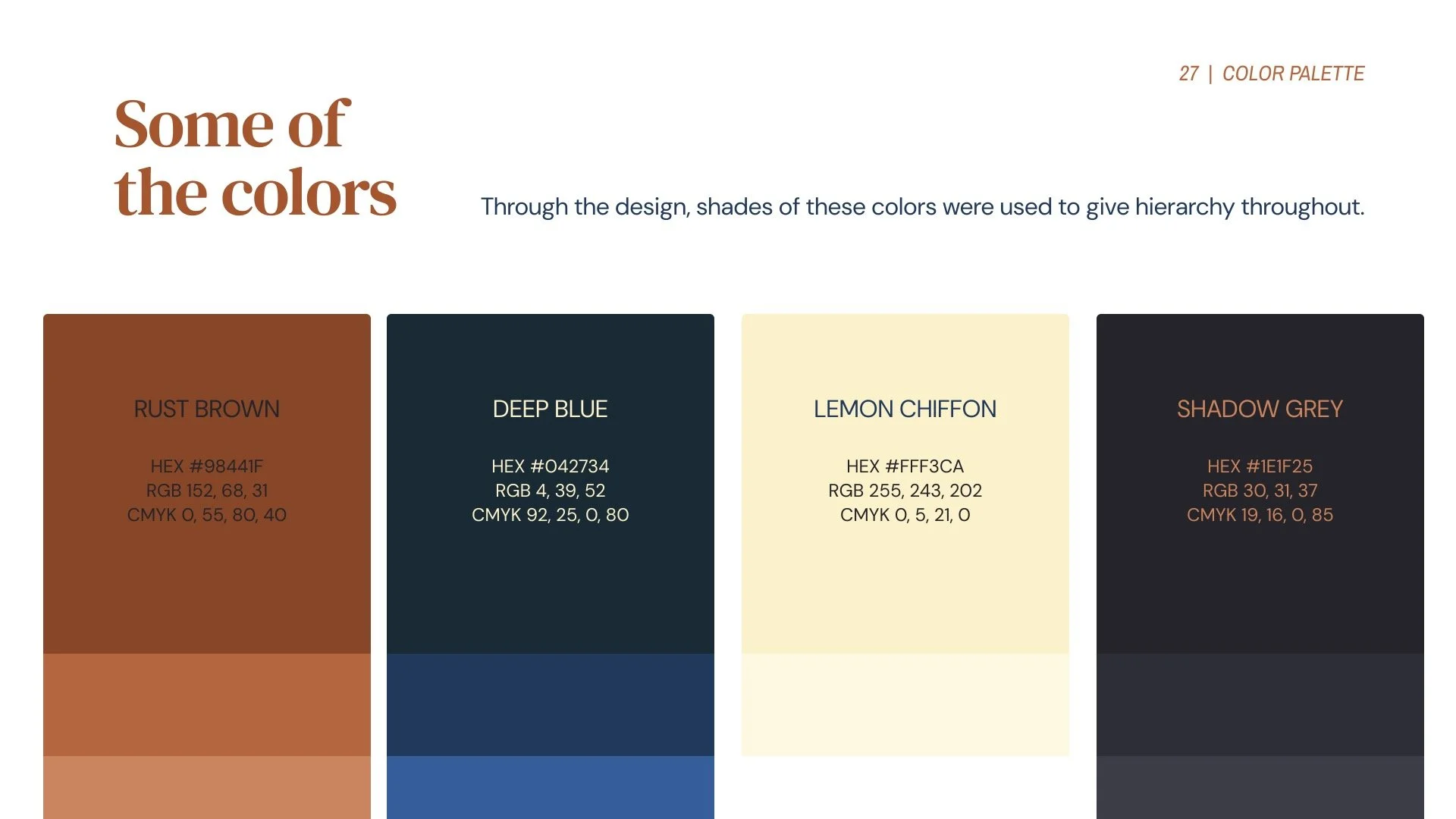
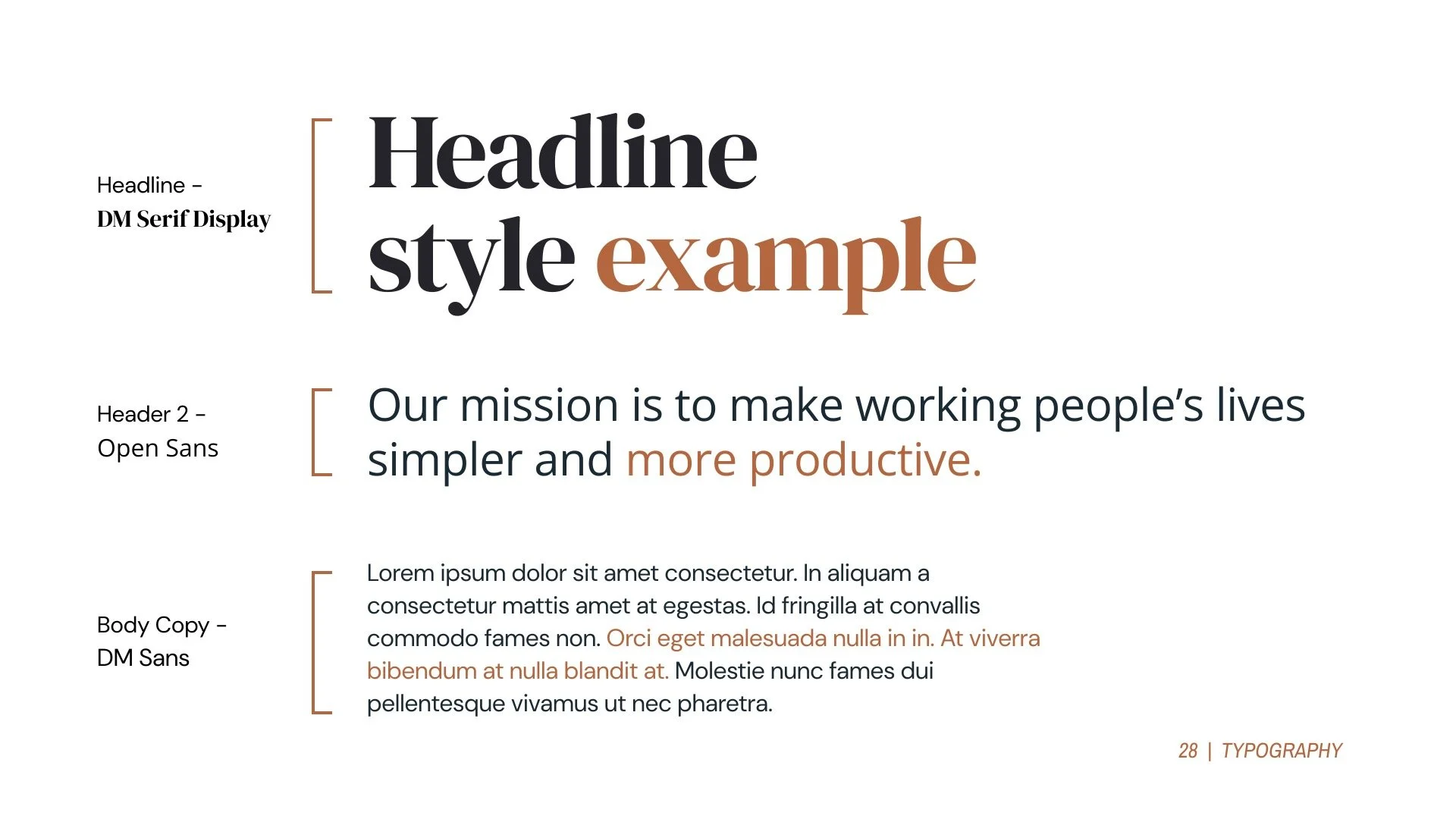
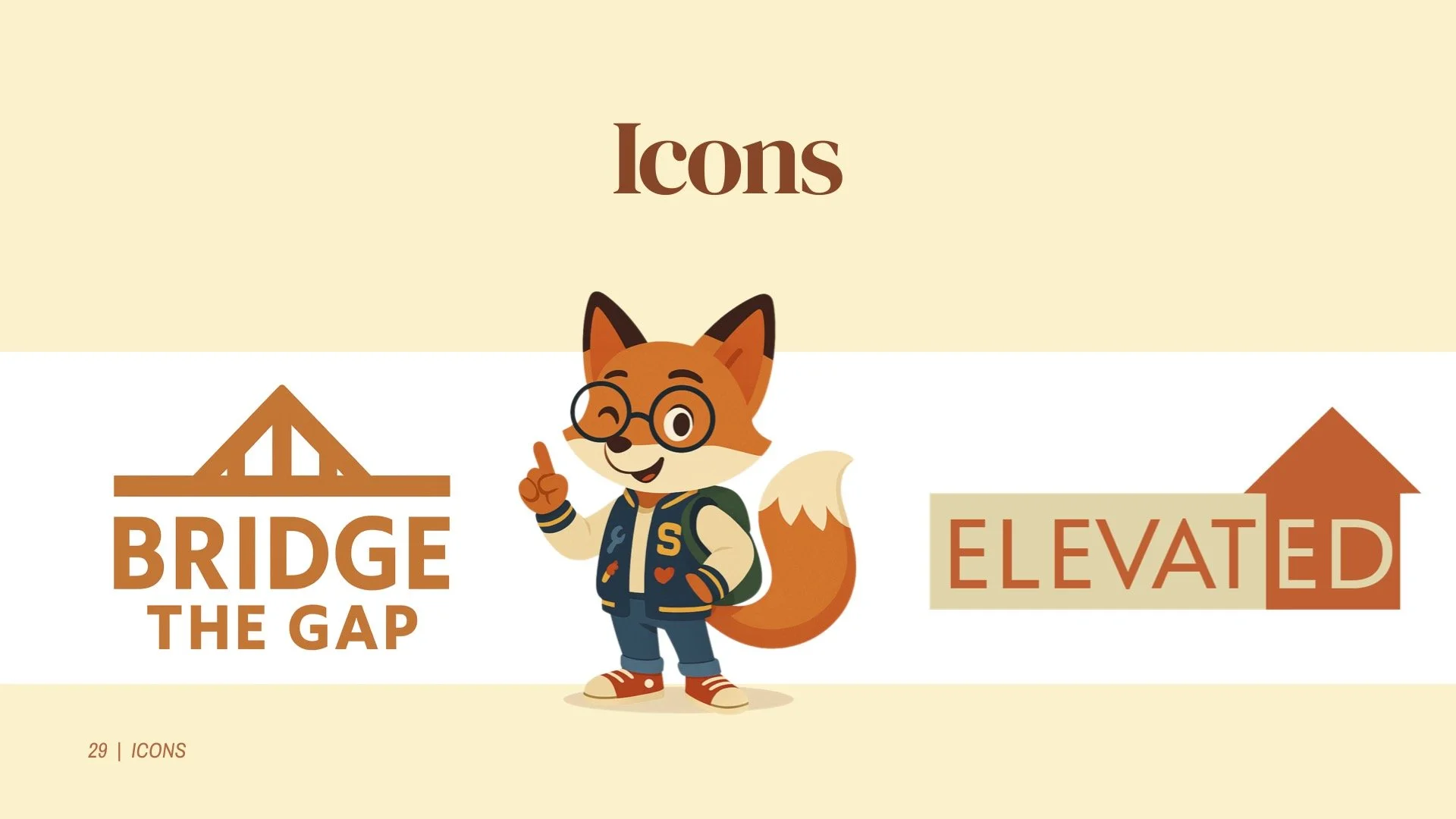
Through wireframes, feature outlines, and brand elements, we shaped a cohesive concept that reflects our mission and resonates with the students it aims to serve.
Phase 4- Mockup
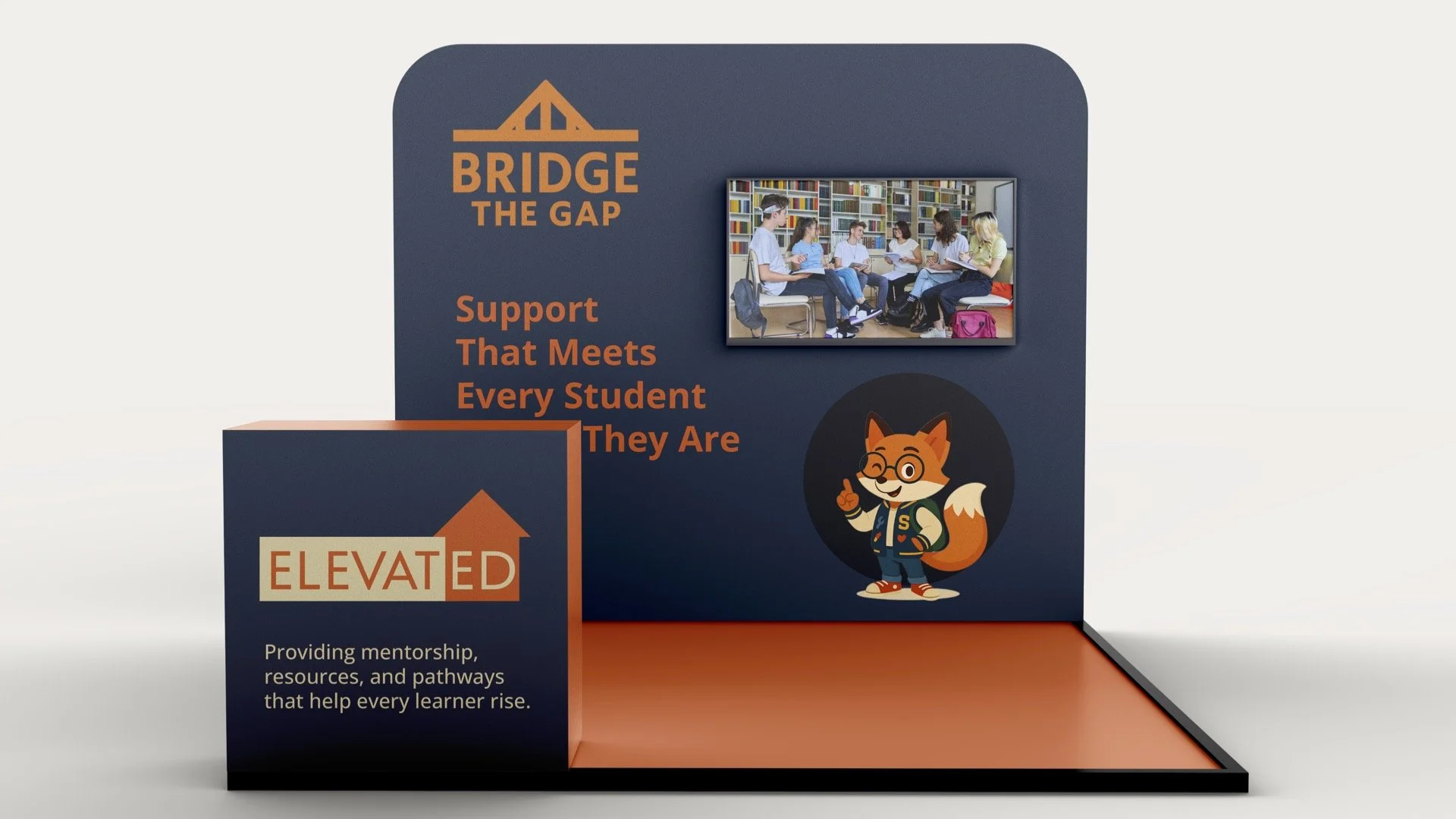
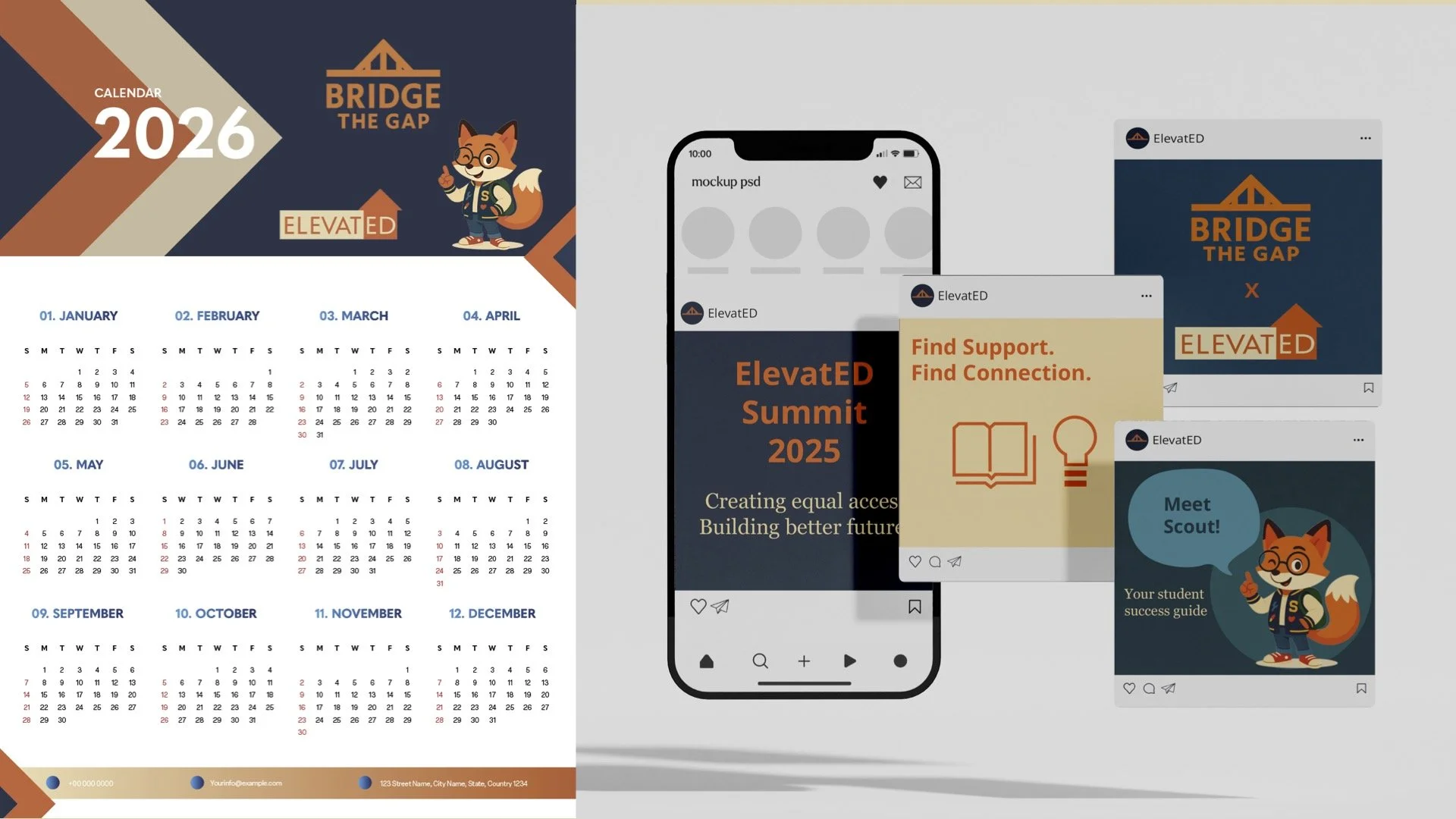
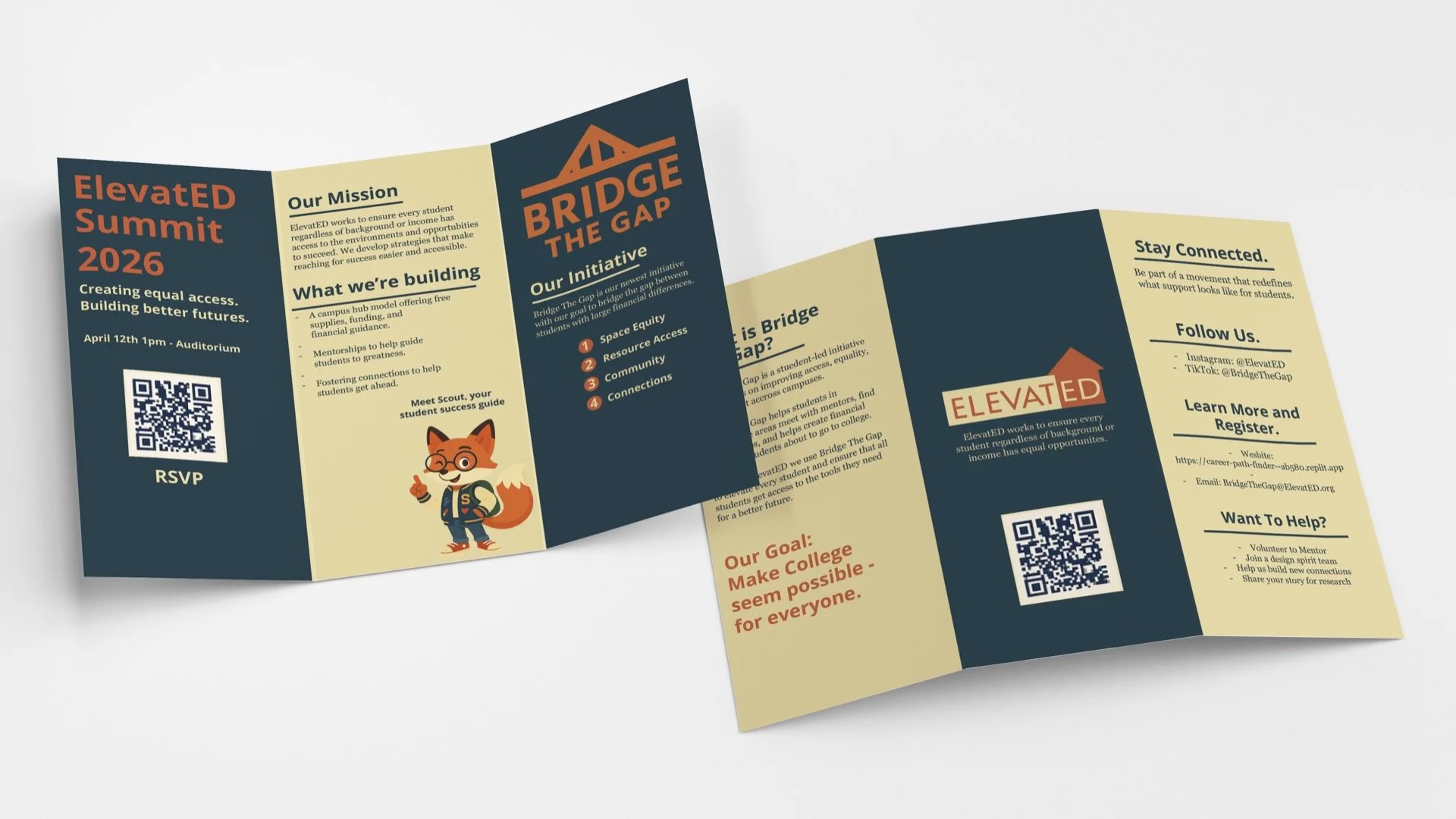
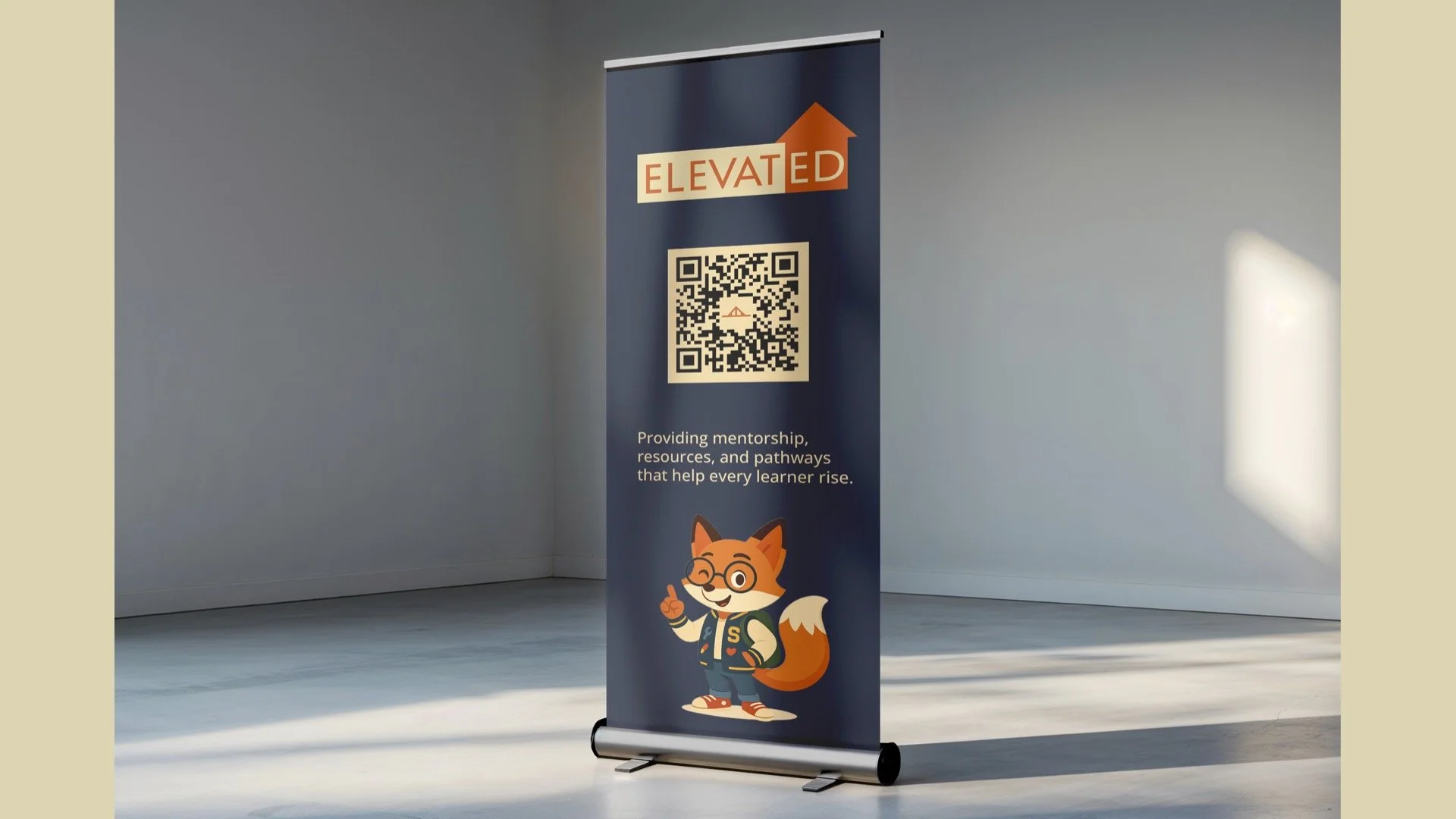
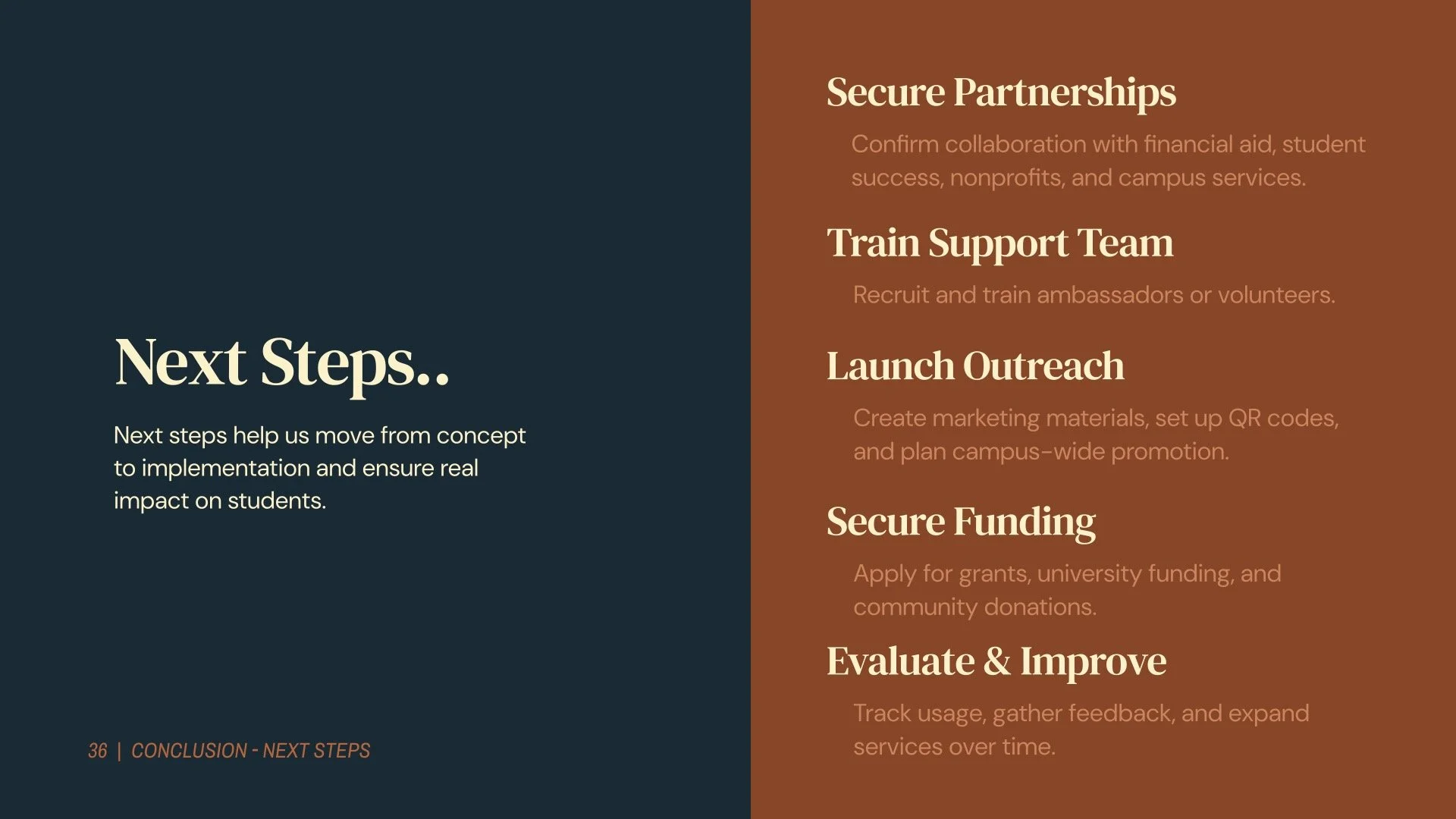
In the final phase, we translated our concept into tangible designs through detailed wireframes and high-fidelity mockups. This allowed us to visualize the user experience, refine key features, and ensure our platform remained intuitive and student-centered. We also outlined clear next steps for implementation, including partnership building, campus outreach, funding opportunities, and pilot testing.
This phase brought our solution to life and created a roadmap for how Bridge the Gap can move from concept to a fully developed support system for students.