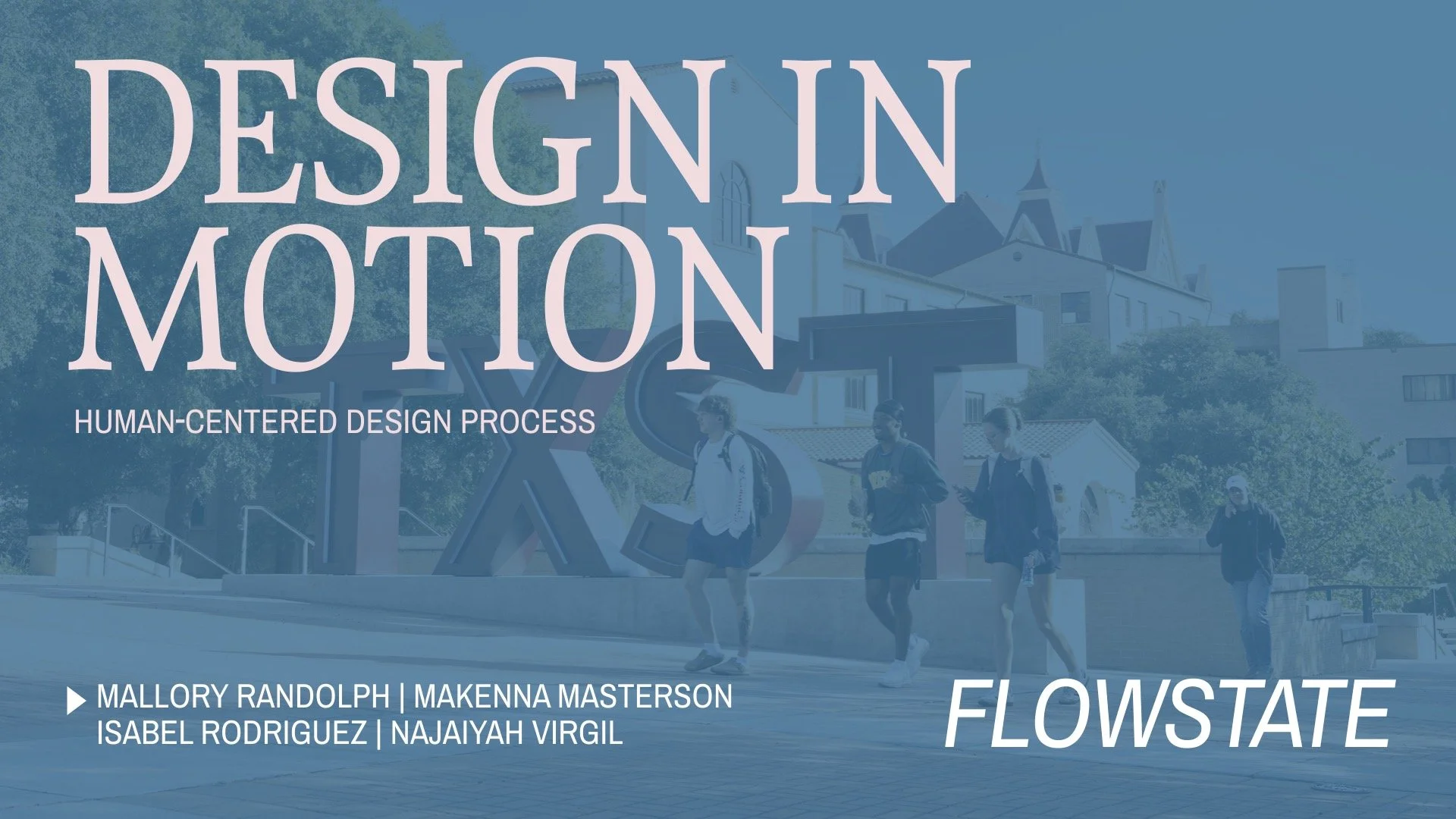
How might we help the bobcat community? This project introduces applying human-centered design to address an unmet need within the Bobcat community. Working in teams, we used the IDEO and IBM Field Guide frameworks to research, ideate, and prototype a socially conscious solution. The project emphasized collaboration, empathy, and equity in design, culminating in a pitch deck and prototype that demonstrated how thoughtful design can create meaningful community impact.
Project Overview
Makenna Masterson - Ideation Lead*
Mallory Randolph - Research Lead
NaJaiyah Virgil - Presentation Lead
Isabel Rodriguez - Branding Lead

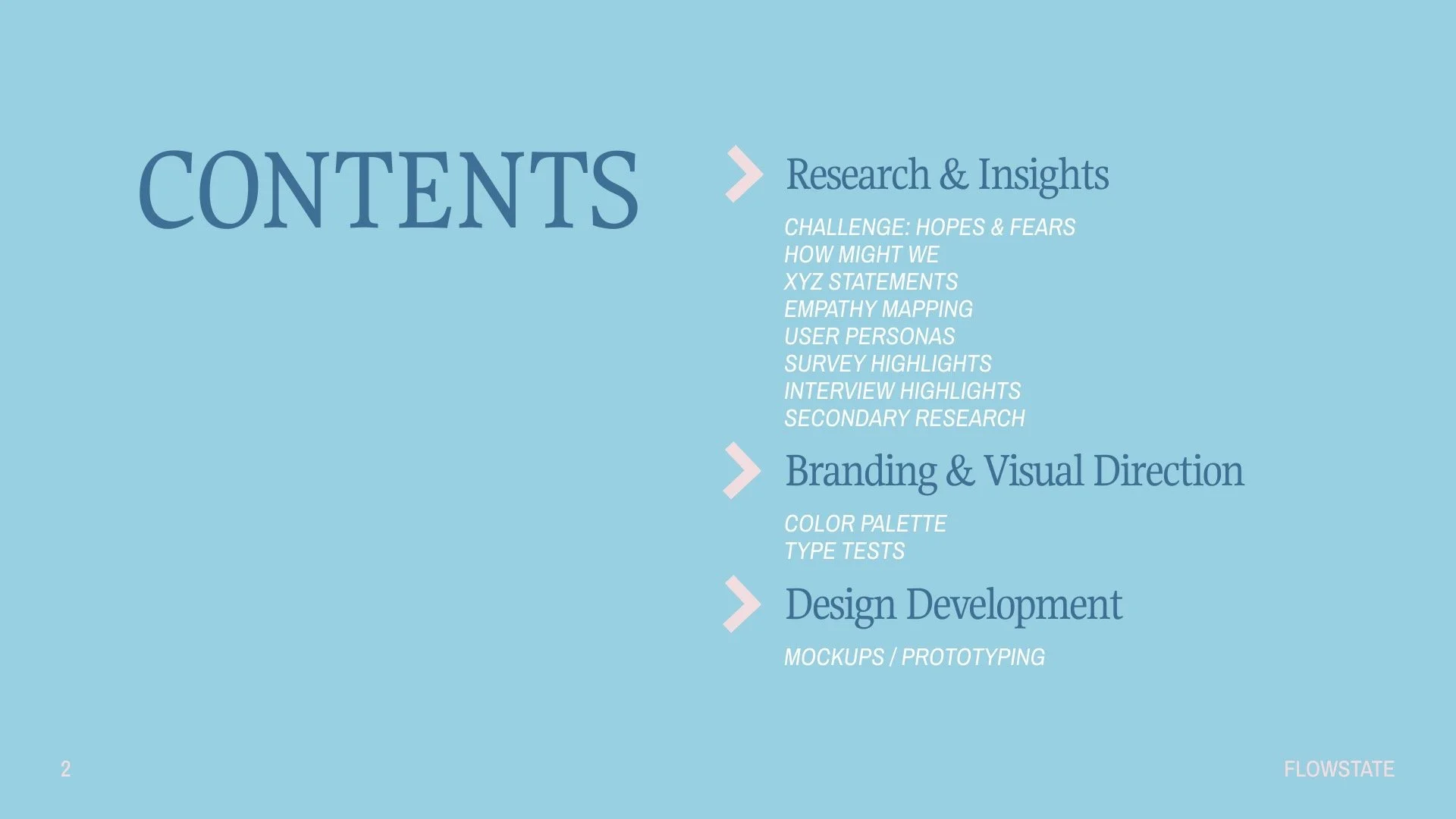
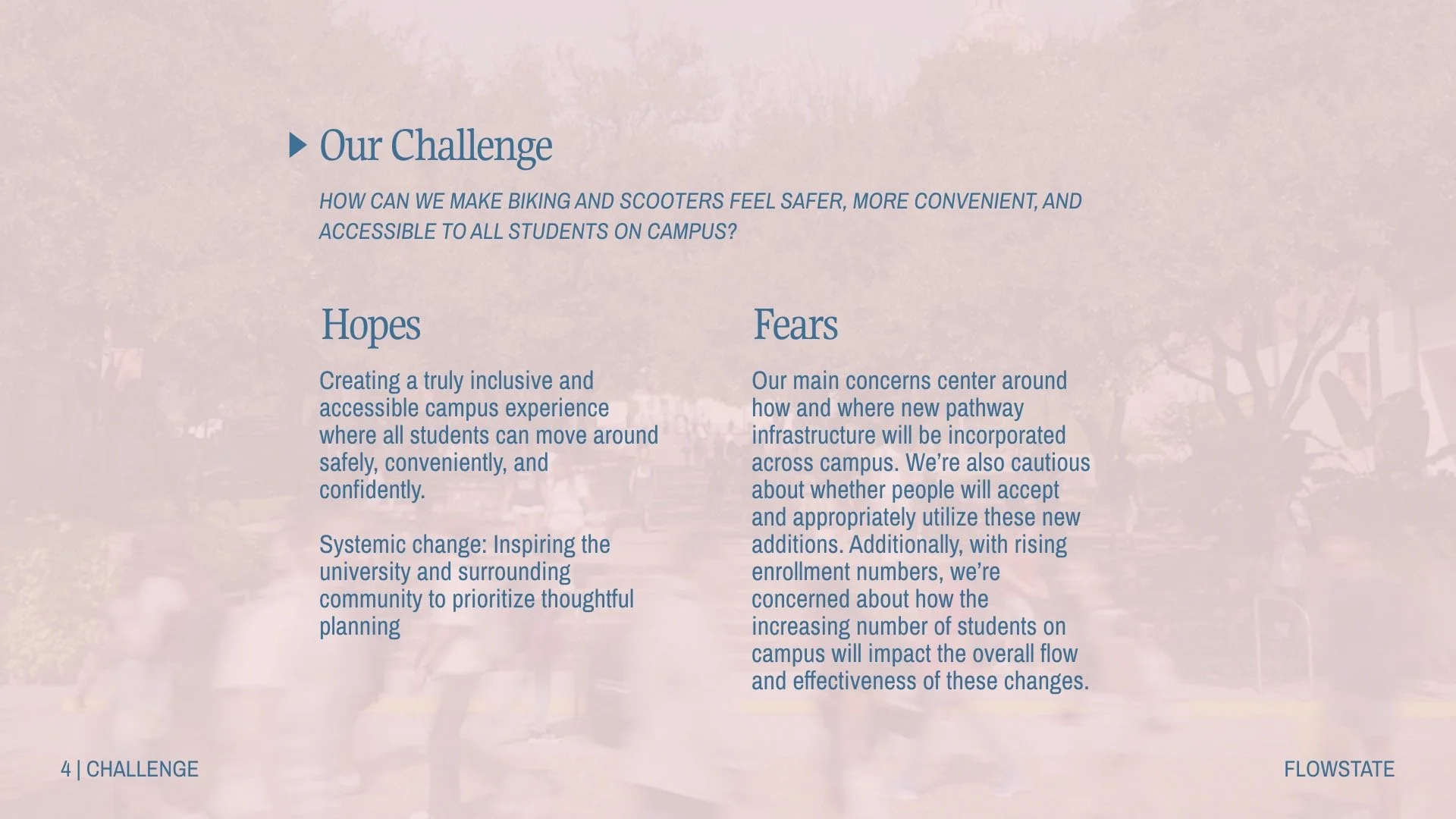
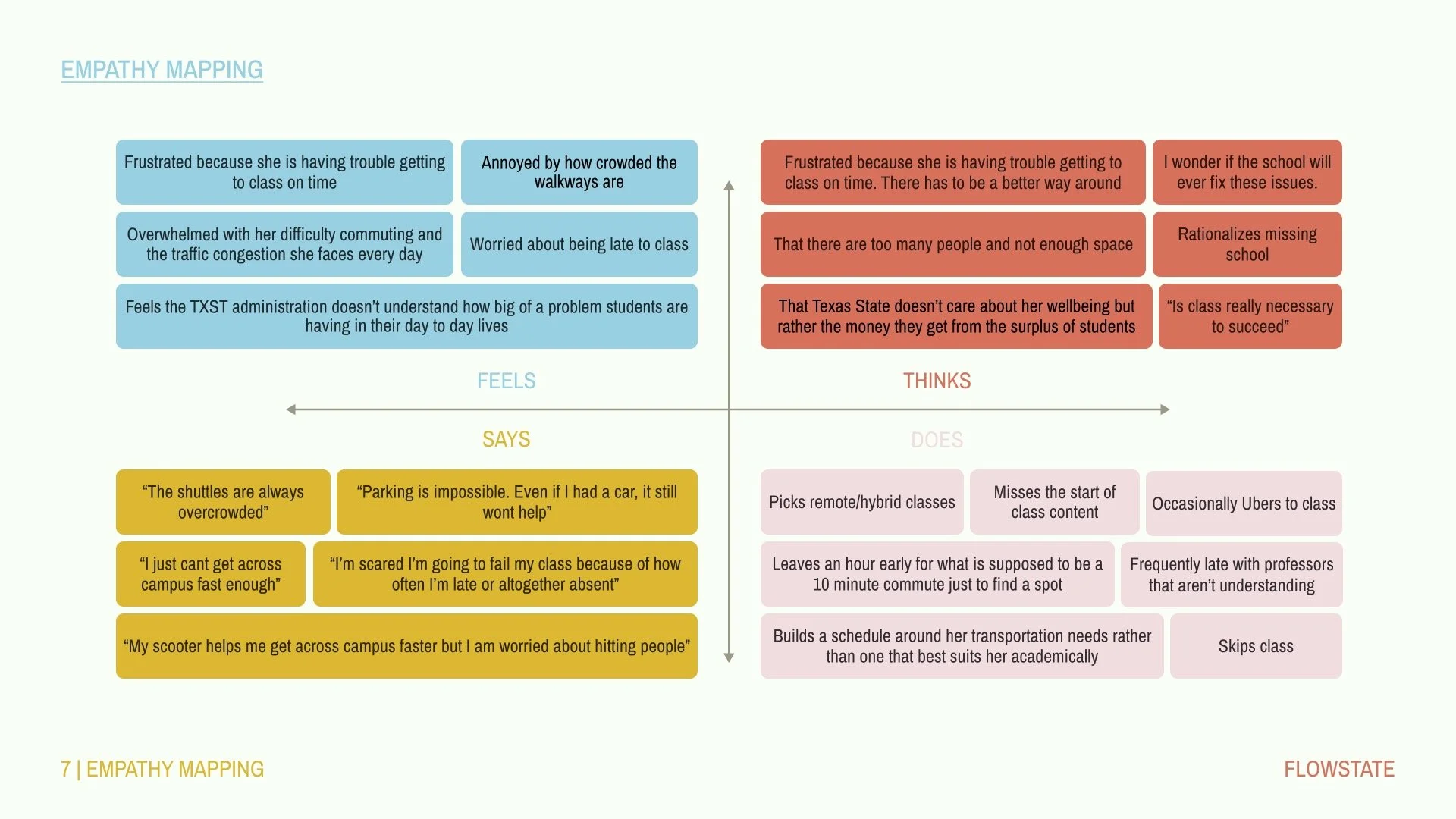
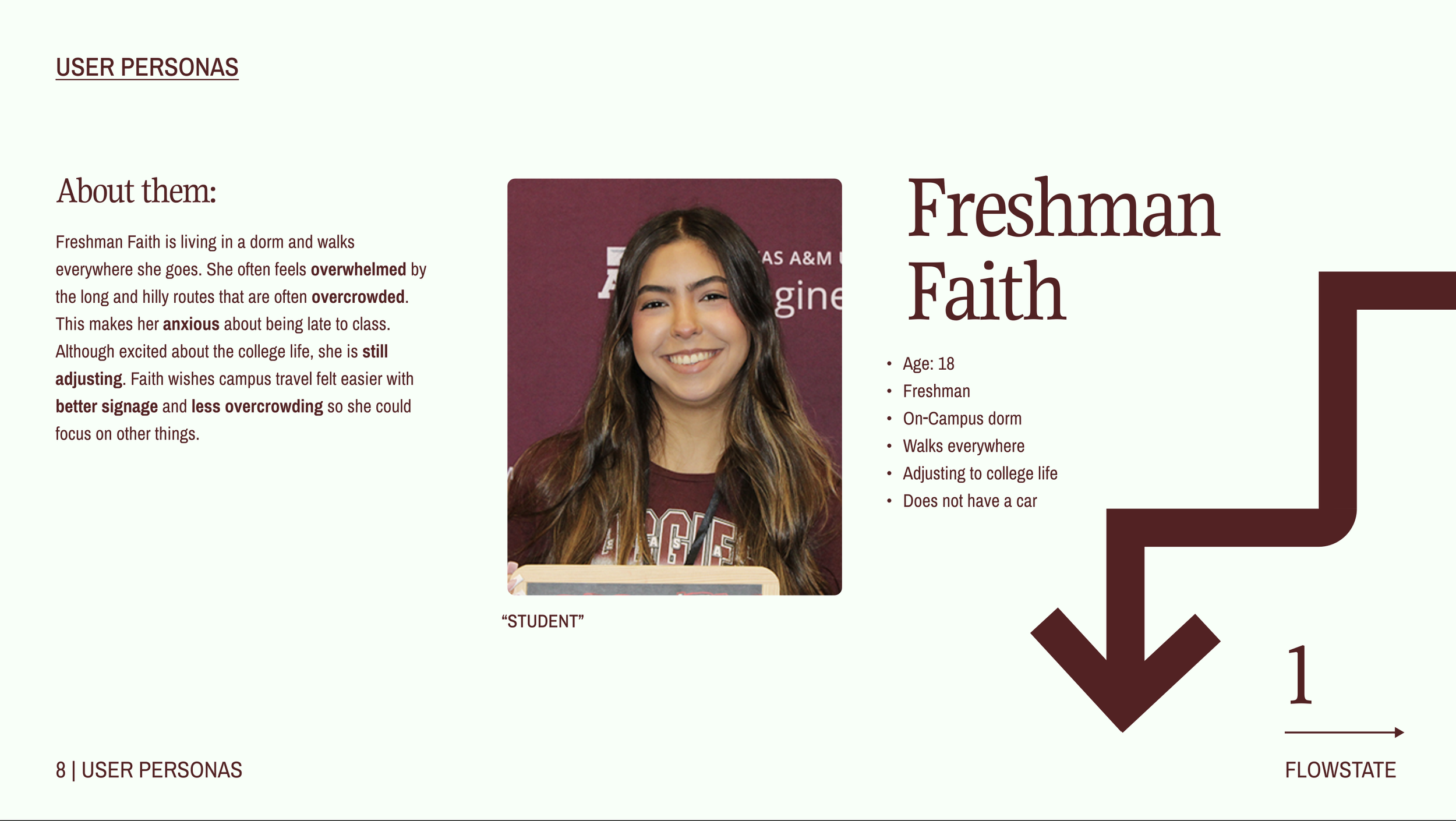
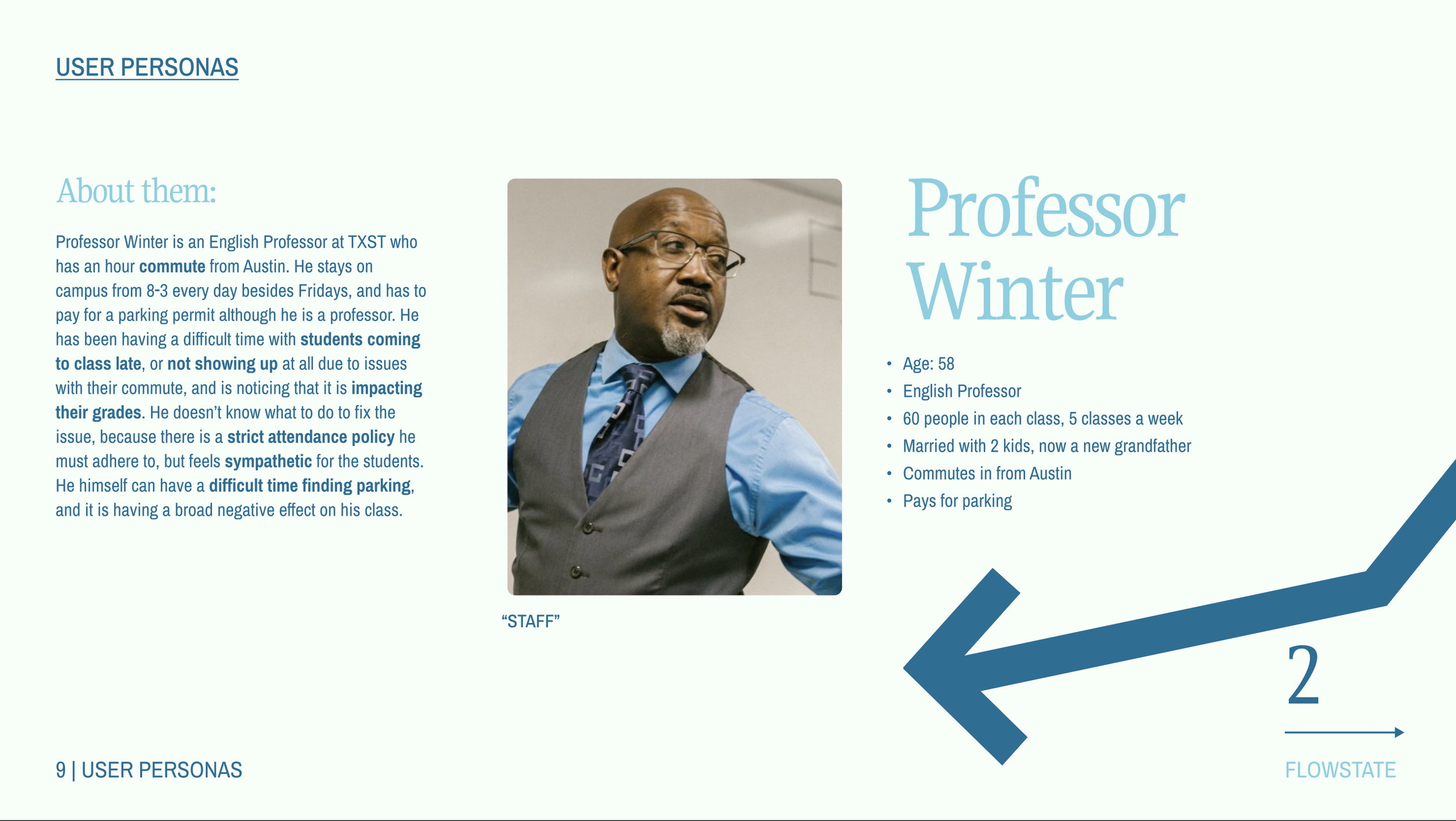
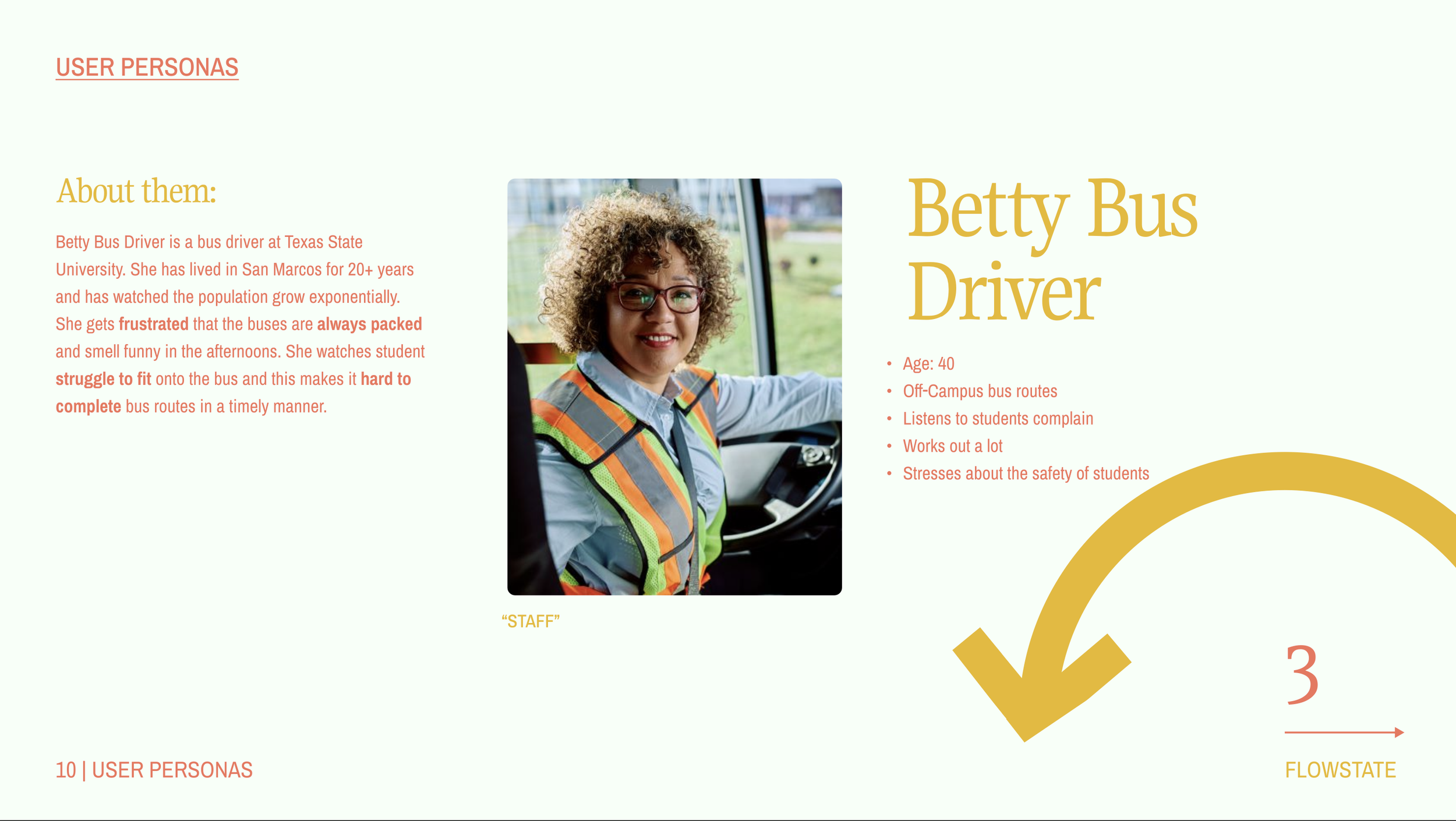
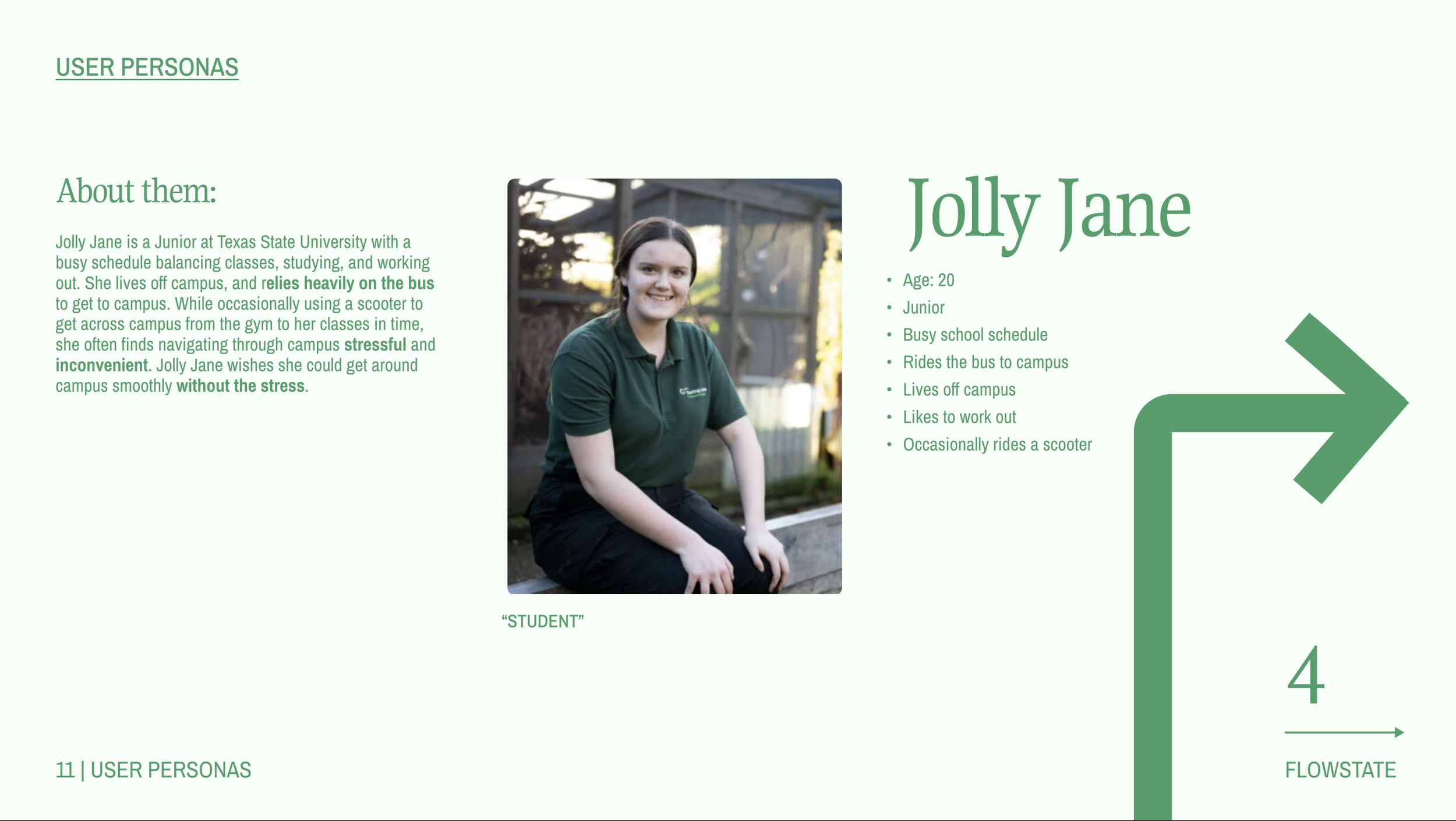
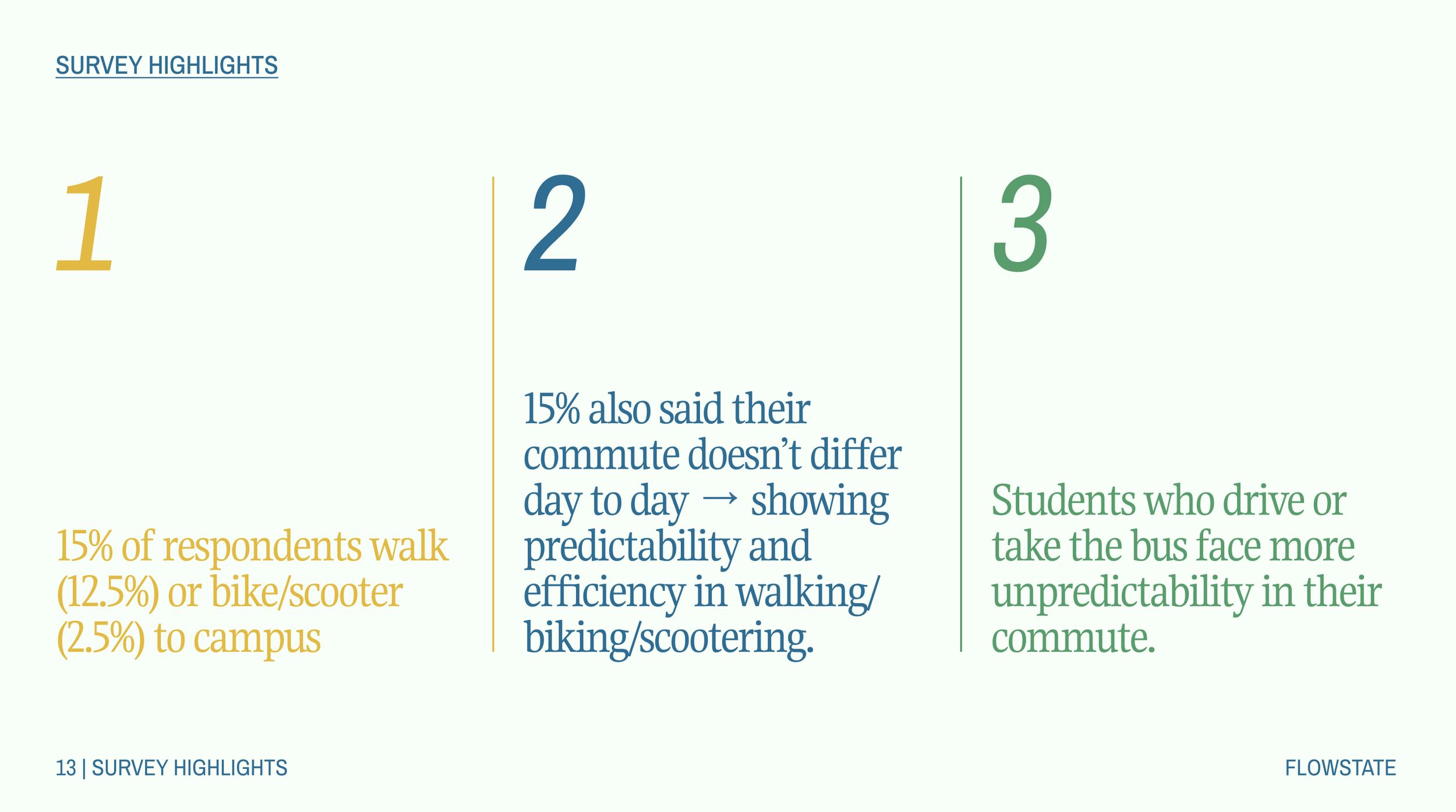
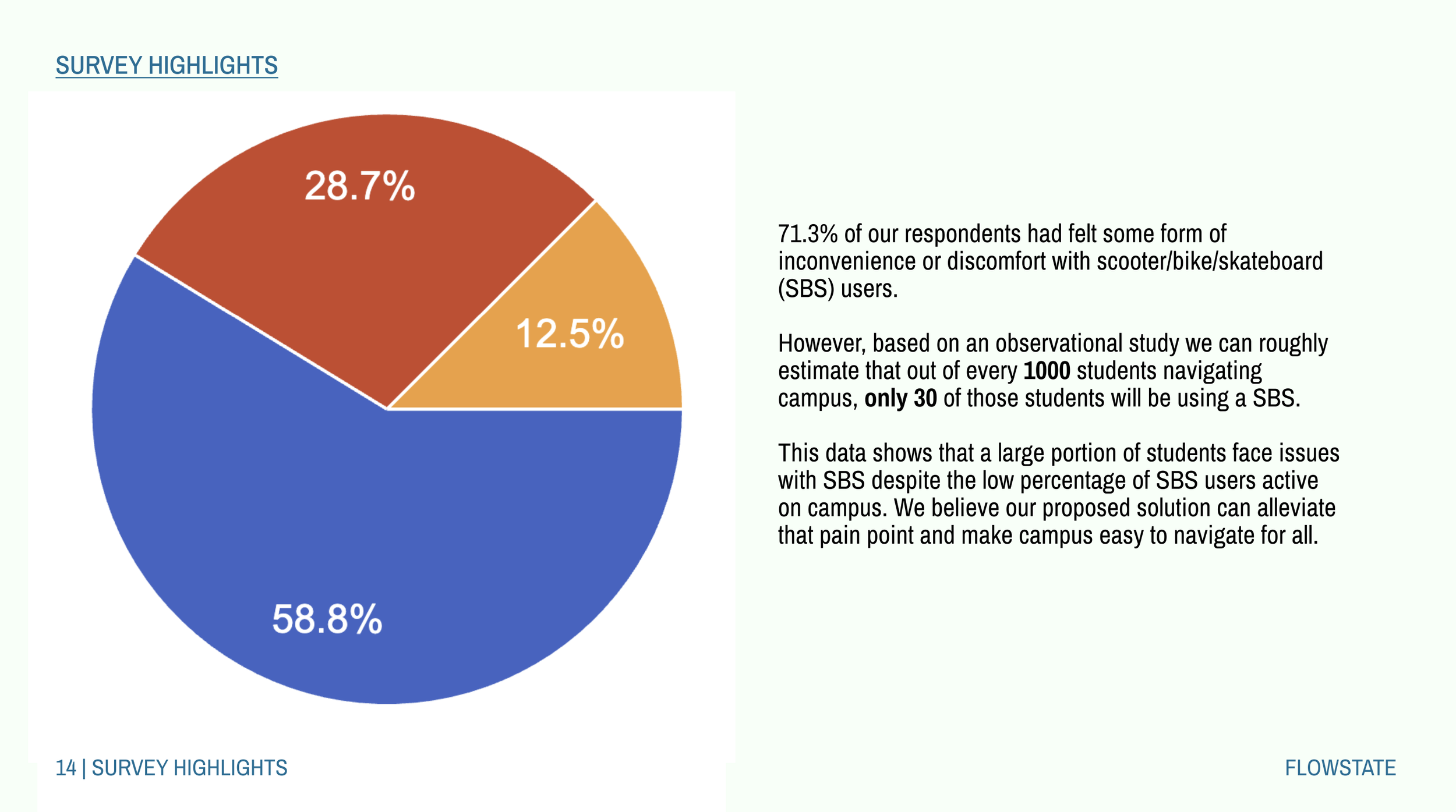
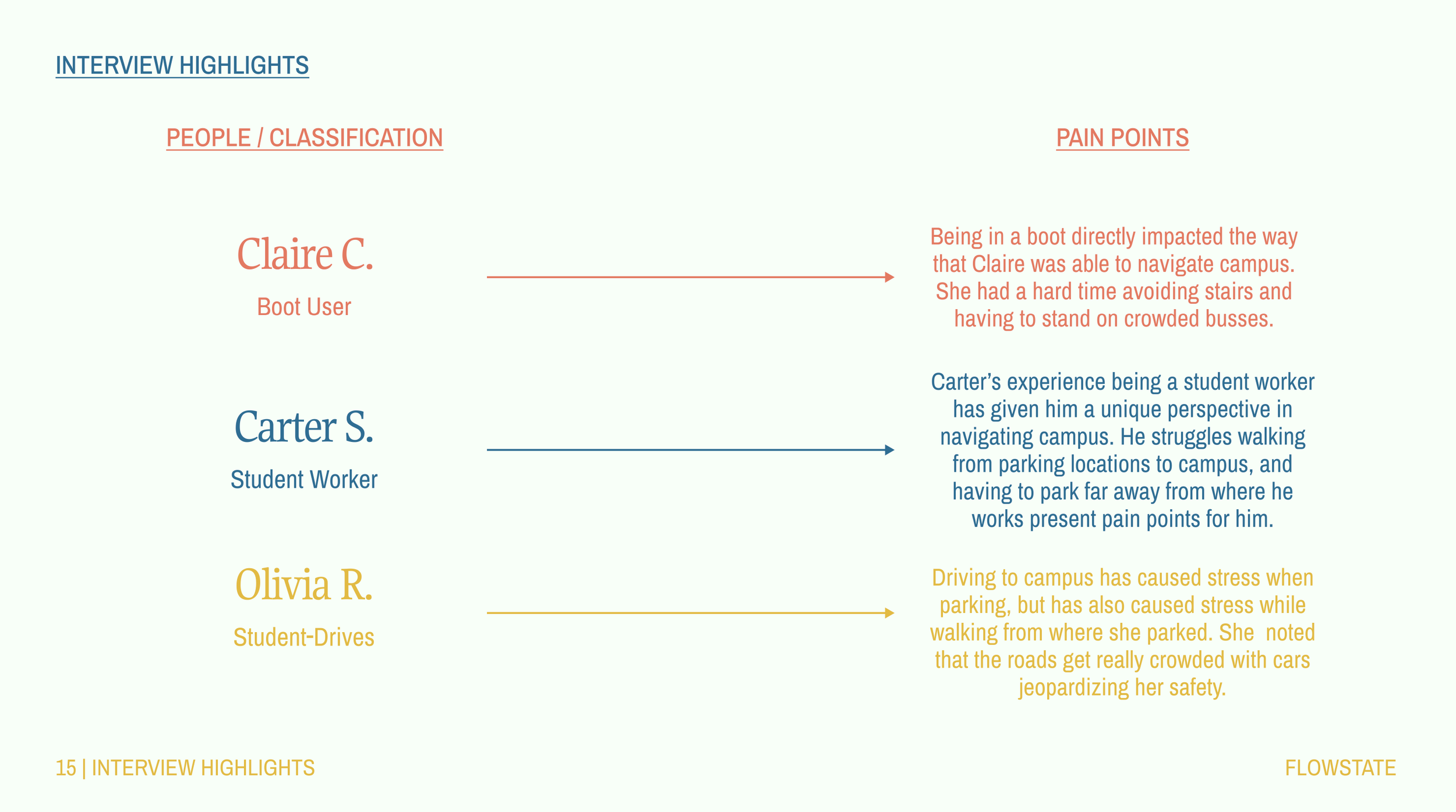
The beginning of our process focused on understanding the problem space and the people affected by it. We started by defining our design challenges and identifying key opportunities within the Bobcat community. Through journey mapping, we visualized relationships, pain points, and potential areas for impact. We also conducted Hopes & Fears assessments as well as an Empathy Mapping exercise to uncover emotional and functional needs from multiple perspectives.
This phase helped us build a foundation of empathy and clarity, ensuring our solutions were guided by real user insights rather than assumptions.
Phase 1- Discovery
Phase 2- Ideation
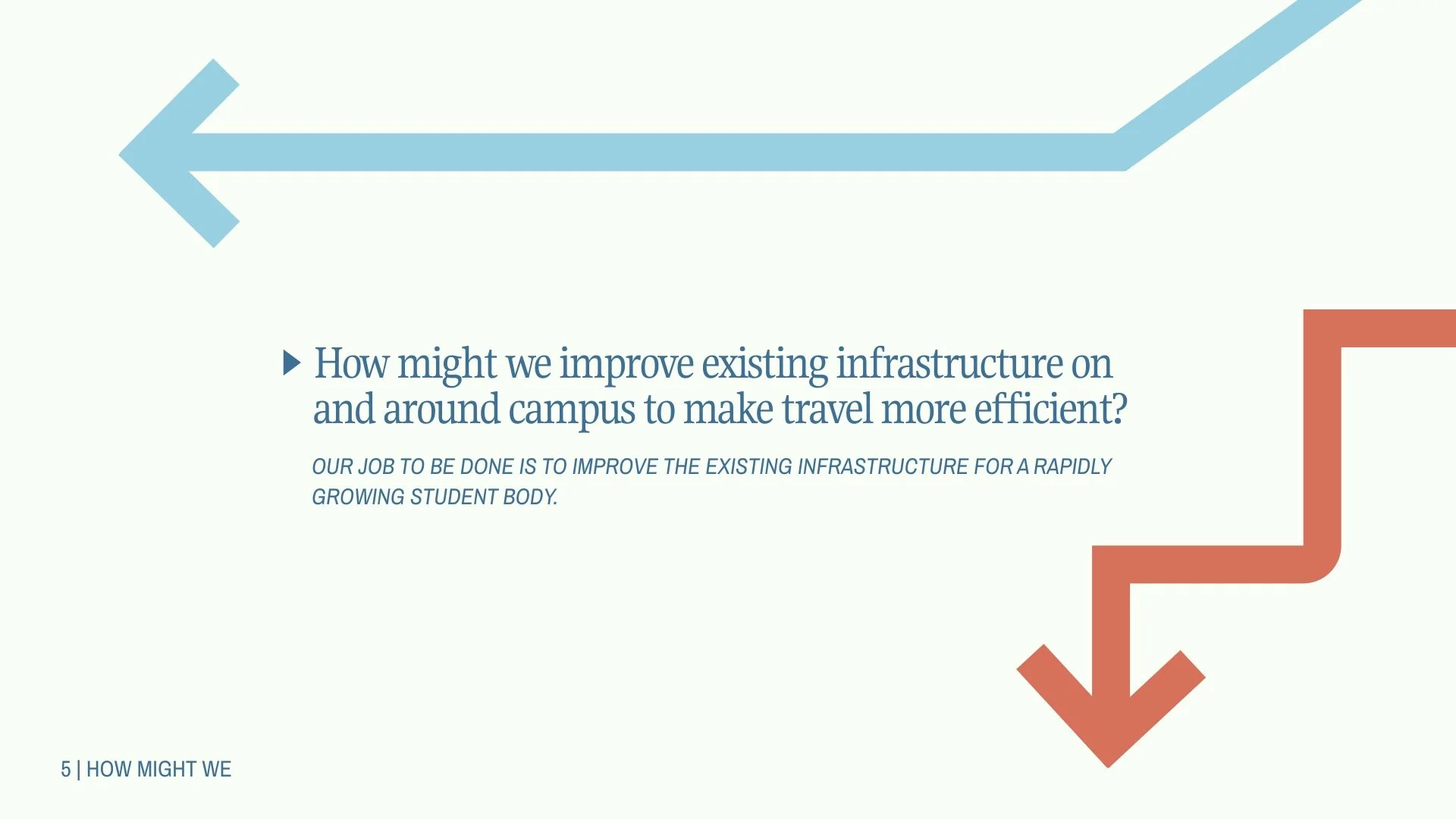
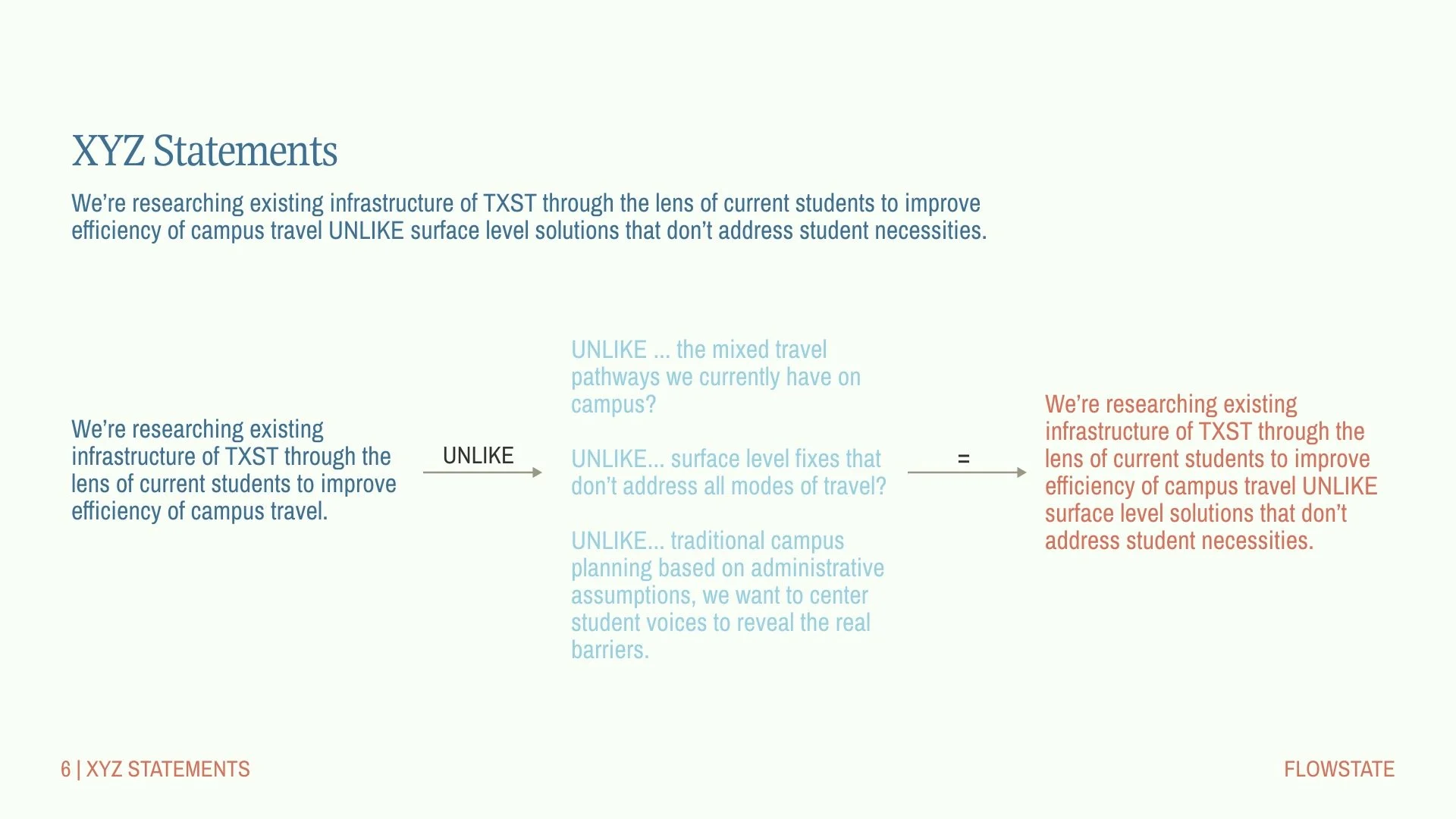
The ideation phase focused on transforming our research insights into innovative and achievable concepts. We began by developing How Might We statements that reframed our challenges into design opportunities. Using the Jobs to Be Done and XYZ frameworks, we explored user motivations and clarified the purpose behind each potential solution. Building on our empathy findings, we held brainstorming sessions to generate, compare, and refine ideas that best aligned with our users’ needs and the overall project vision.
This phase helped us build a stronger understanding of how creative exploration and structured framework can work together to turn insights into actionable designs.



Phase 3- Branding
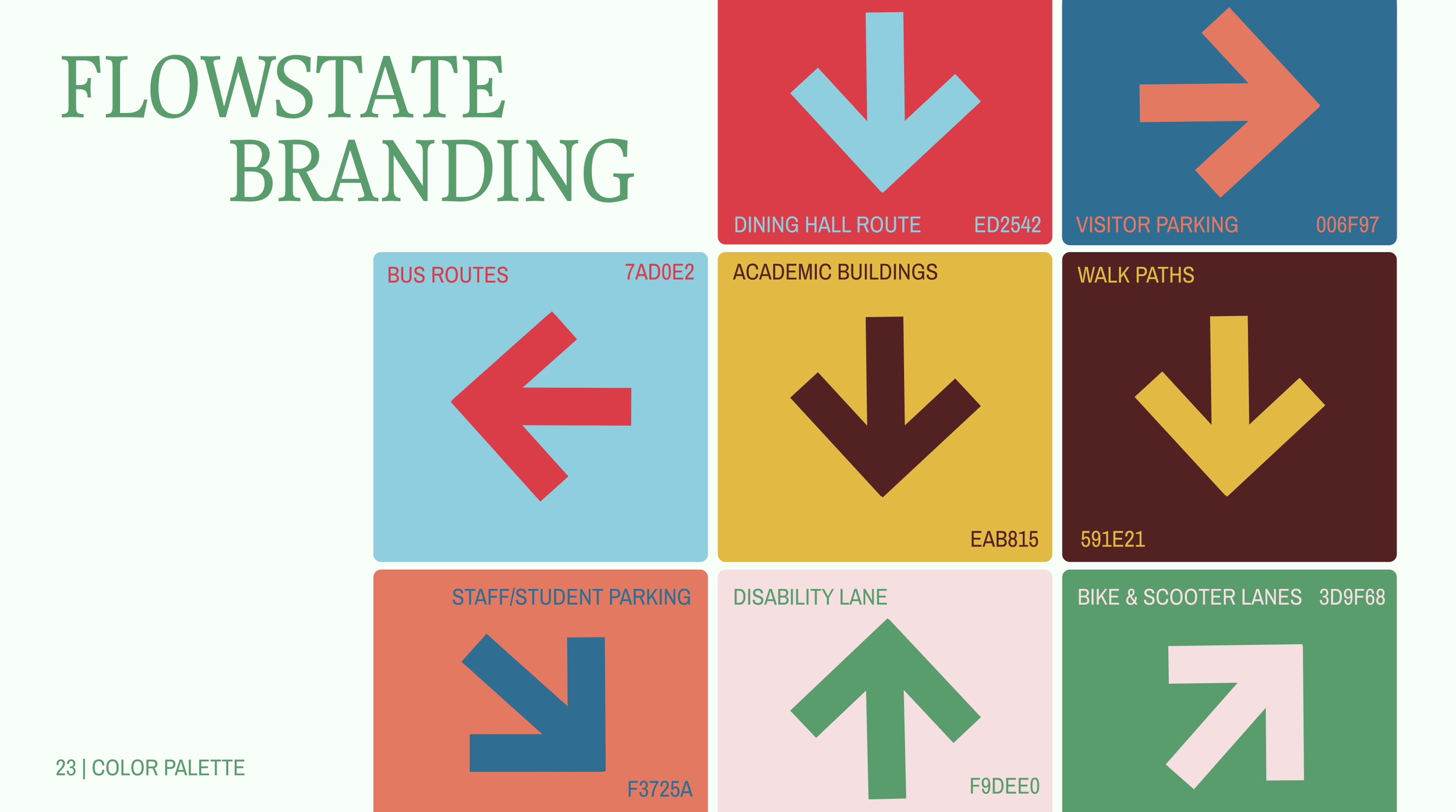
In the branding phase, we focused on giving our solution a cohesive visual identity that would resonate with the Bobcat community. We incorporated the TXST Next campaign colors to maintain a connection to campus culture while ensuring accessibility and consistency.
This phase included refining typography, layouts, and other visual elements to create a polished, professional look. It helped us communicate our ideas clearly and gave our project a memorable, unified presence.

Phase 4- Mockups
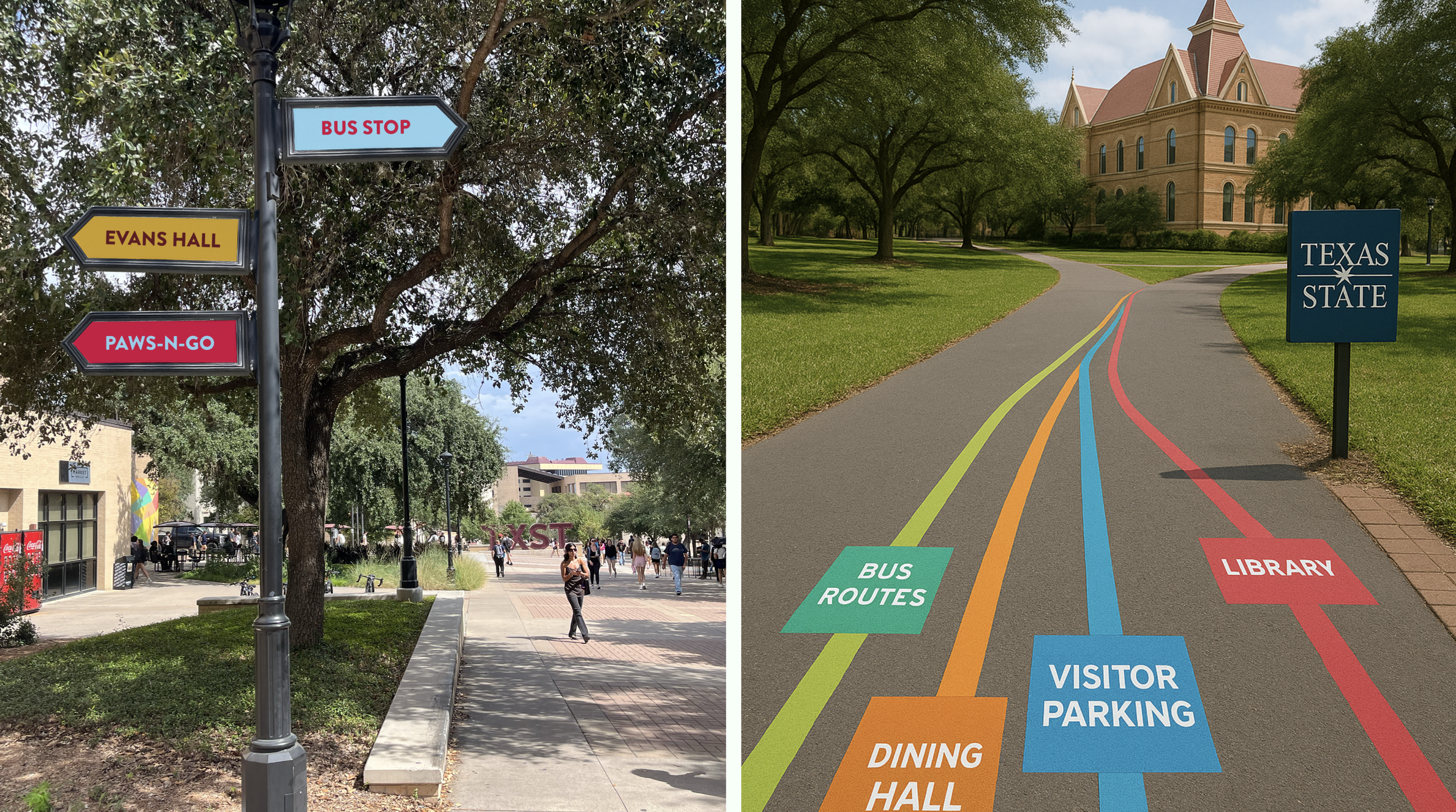
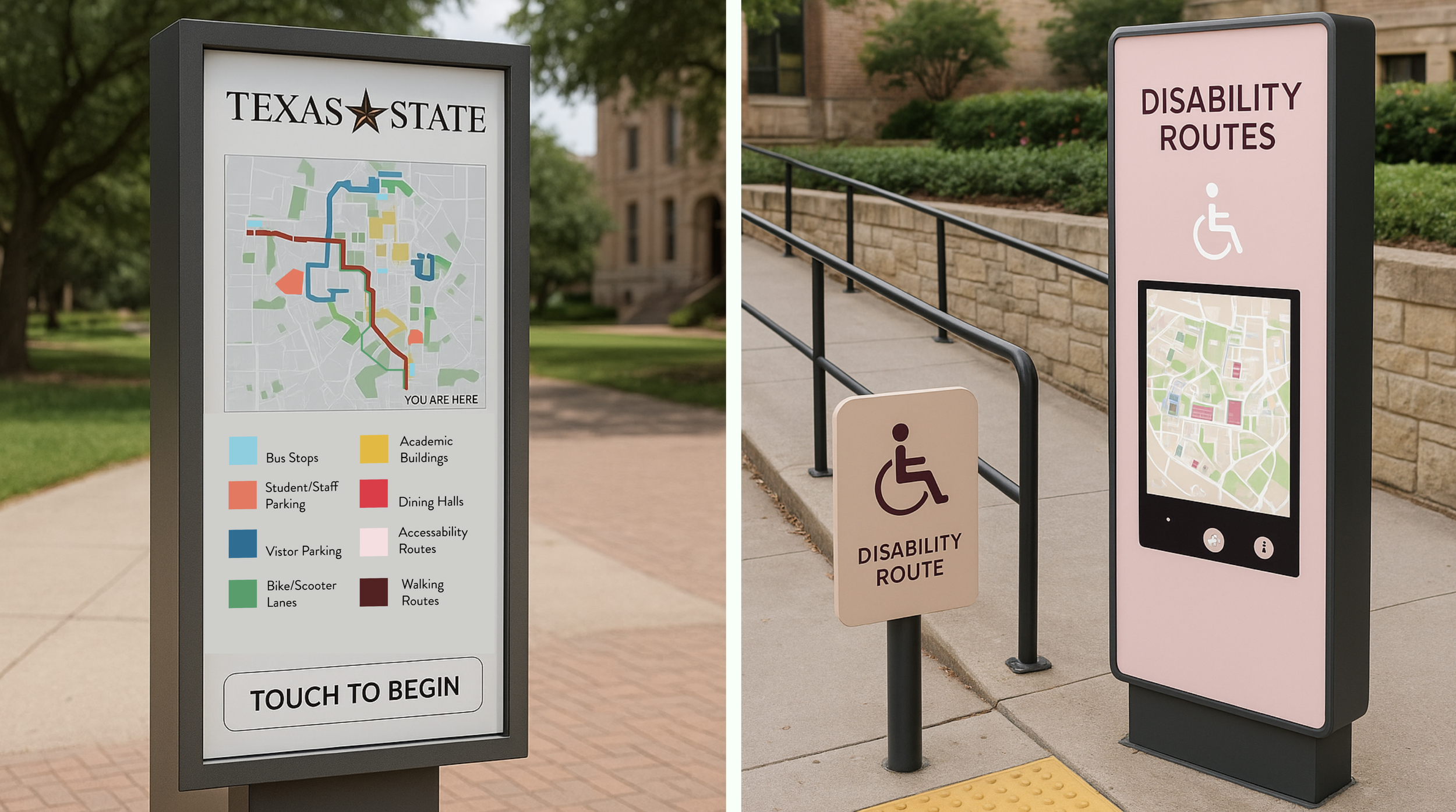
In this phase, we brought our concept to life through high-fidelity mockups that showcase how the solution functions in real contexts. Building on our established brand identity, we applied the TXST Next campaign colors and accessible design standards to ensure clarity and cohesion across every screen.
This stage focused on refining layouts, interactions, and visual details, allowing us to communicate the user experience more effectively and present a polished, realistic representation of our final product.